
Find Cricket Control Near Me by ZIP Code
Crickets can become a problem around basements, crawl spaces, garages, laundry rooms, utility rooms, sheds, patios, foundations, mulch beds, door thresholds, warehouses, restaurants, offices, and storage areas. ExtermiGuard helps you start a cricket control near me search using the service ZIP code so you can move toward inspection questions, treatment expectations, moisture corrections, entry-point details, and local provider options.
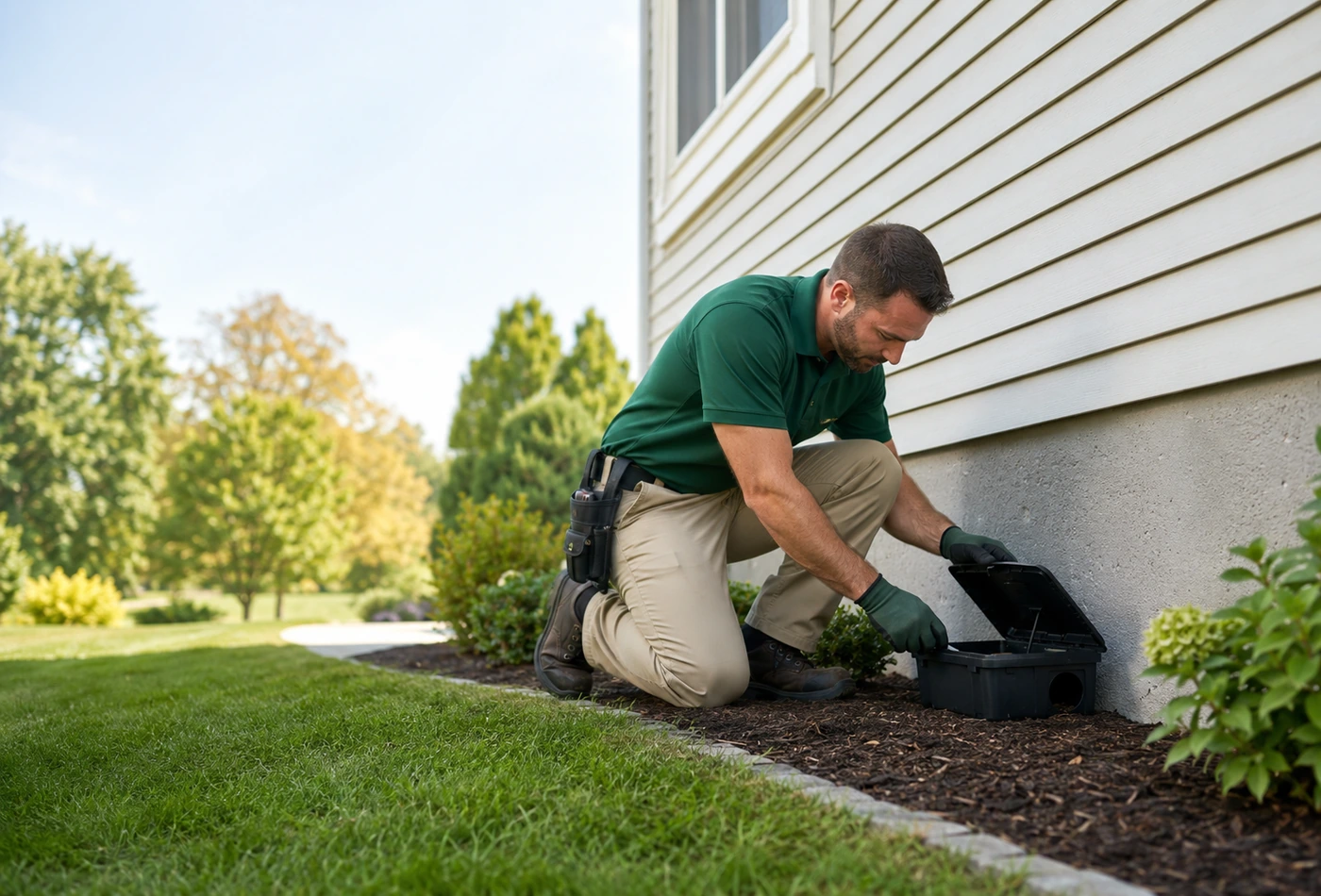
- 1Crickets often move indoors through gaps around doors, foundations, vents, utility lines, garage doors, basement windows, and damaged weather stripping.
- 2Camel crickets are often connected to damp, dark spaces such as basements, crawl spaces, garages, laundry areas, and storage rooms.
- 3Cricket control often works best when moisture, exterior lighting, clutter, mulch, door gaps, and entry points are reviewed together.
Cricket Control Starts with Moisture, Entry Points, and Harborage
Cricket treatment is often more than removing a few insects. Crickets may be entering from outdoor harborage, damp areas, foundation gaps, garage doors, crawl spaces, mulch, stacked items, sheds, exterior lighting, or structural openings. A cricket exterminator near me search should start with the ZIP code, where activity is seen, and whether the problem involves house crickets, field crickets, camel crickets, or recurring seasonal activity.
Basements and Crawl Spaces
Damp, dark, protected areas can attract camel crickets and other cricket activity, especially where clutter, moisture, pipe gaps, or foundation cracks are present.
- Moisture and clutter checks
- Foundation and vent review
Garages, Doors, and Lights
Garage doors, threshold gaps, damaged sweeps, porch lights, exterior fixtures, loading doors, and entryways can help draw crickets toward the structure.
- Door sweep awareness
- Lighting and entry questions
Mulch, Landscaping, and Sheds
Mulch beds, leaf litter, stacked items, wood piles, sheds, patio edges, stone borders, and damp exterior areas can provide harborage near the building.
- Exterior harborage review
- Foundation perimeter details
Commercial and Storage Areas
Warehouses, restaurants, offices, utility rooms, storage rooms, loading docks, basements, and employee areas may need inspection around doors, drains, clutter, and moisture.
- Loading door awareness
- Storage and utility checks
Common Cricket Signs to Look For Before Calling
Cricket problems are often noticed by sound, movement, and repeated sightings. The more detail you can provide, the easier it is for the provider to understand whether the issue is coming from a damp interior space, exterior harborage, seasonal migration, lighting attraction, or an entry-point problem.
Chirping at Night
House crickets and field crickets may be noticed because of chirping inside walls, basements, garages, utility areas, or nearby exterior spaces.
Jumping Crickets Indoors
Seeing crickets jump in basements, bathrooms, laundry rooms, garages, crawl-space entries, or storage areas may point to moisture and access points.
Camel Crickets in Damp Areas
Camel crickets are often found in dark, damp areas and may be mistaken for spiders because of their long legs and jumping movement.
Activity Near Doors and Foundations
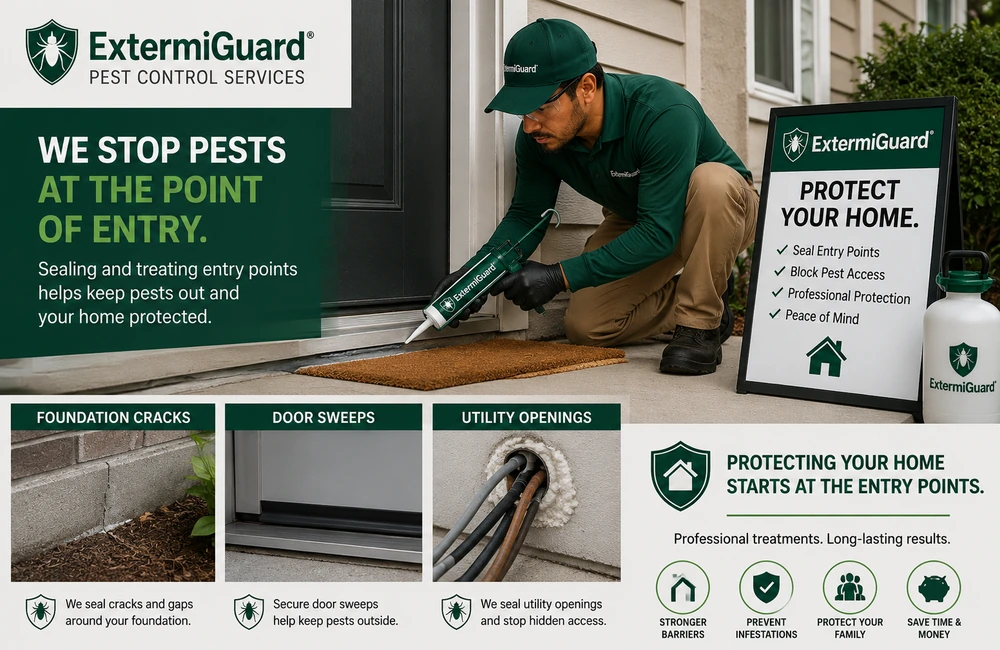
Crickets may enter through foundation cracks, garage gaps, door sweeps, vents, basement windows, utility penetrations, and exterior thresholds.
Repeated Seasonal Activity
Some cricket issues become more noticeable during seasonal changes, warm nights, heavy moisture, vegetation pressure, or when outdoor conditions push insects indoors.
Storage or Fabric Damage Concerns
In some conditions, crickets may be associated with stored items, fabrics, paper, cardboard, clutter, or organic debris, especially when areas stay undisturbed.
Inspection Should Focus on Moisture, Entry Points, Light, and Harborage
Cricket inspection may include basements, crawl spaces, garages, laundry areas, utility rooms, floor drains, foundation cracks, door sweeps, garage doors, exterior lights, patio edges, mulch beds, leaf litter, sheds, stacked storage, utility penetrations, vents, and loading doors. In commercial properties, the provider may also ask about receiving areas, storage rooms, employee entries, trash areas, and moisture sources.
A good local cricket control search should include the service ZIP code, where the crickets are seen or heard, whether activity is recurring, whether the area is damp, and whether the property is a home, apartment, warehouse, restaurant, office, school, hotel, or facility.
Locate the main activity area.
Note whether crickets are in the basement, garage, crawl space, bathroom, laundry area, storage room, patio, or near a specific door.
Look for moisture and hiding areas.
Standing moisture, leaking pipes, damp crawl spaces, clutter, stacked cardboard, mulch, and leaf litter can support cricket activity.
Ask about entry-point correction.
Door sweeps, garage seals, foundation gaps, vents, utility openings, and exterior lighting may need to be discussed with the provider.
What Cricket Treatment May Include
Local cricket control can vary by provider, cricket type, activity level, moisture conditions, entry points, exterior harborage, property type, inspection findings, preparation needs, and whether the issue is in a home, apartment, garage, basement, crawl space, warehouse, restaurant, office, hotel, school, or shared facility.
 Residential
Homes, Apartments, and Rentals
Residential service conversations may include basements, crawl spaces, garages, laundry rooms, bathrooms, patios, door sweeps, foundation gaps, pets, children, moisture, and preparation instructions.
 Commercial
Warehouses, Offices, Restaurants, and Facilities
Commercial cricket questions may include loading doors, receiving areas, utility rooms, storage, employee entries, exterior lighting, moisture, clutter, reports, and service frequency.
TargetedTargeted Service Plan
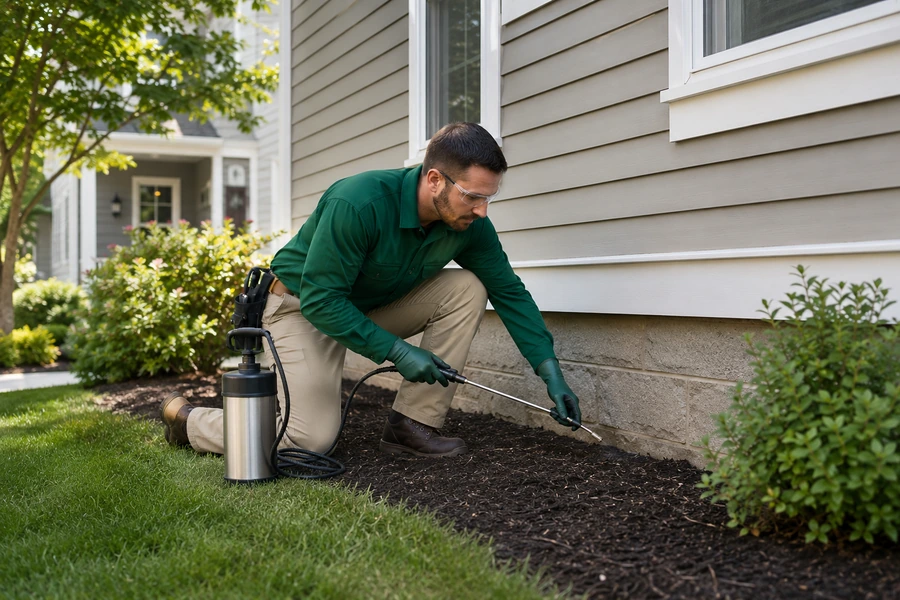
Depending on findings, service may involve exterior treatment, crack-and-crevice treatment, monitoring, moisture recommendations, harborage reduction, exclusion guidance, and follow-up.
Questions to Ask a Cricket Exterminator Near You
Before approving cricket service, ask the provider how activity will be inspected, what areas are included, what entry points matter, whether moisture is contributing, how exterior lighting and harborage are handled, and what follow-up or prevention steps may be recommended.
Where Is the Source?
Ask whether the provider will inspect basements, crawl spaces, garages, door gaps, foundation cracks, vents, storage areas, mulch, sheds, and exterior lighting.
Is Moisture Involved?
Ask about damp crawl spaces, leaking pipes, floor drains, humidity, wet mulch, poor drainage, stored items, and clutter that may support cricket activity.
What Treatment Method Is Used?
Confirm exterior treatment, crack-and-crevice work, monitors, exclusion advice, safety instructions, preparation, restrictions, and what results to expect.
What Are the Written Terms?
Always confirm pricing, preparation, warranty, retreatment terms, cancellation rules, documentation, and follow-up instructions directly with the provider.
Cricket Control Near Me FAQ
These answers help homeowners, renters, apartment managers, warehouse managers, restaurant operators, facility managers, and business owners understand cricket warning signs, inspection needs, moisture questions, treatment expectations, and what to ask before scheduling service.
How do I know if I need cricket control near me?
You may need cricket control if you hear chirping indoors, see crickets jumping in basements or garages, find camel crickets in damp spaces, or notice repeated activity around doors, foundations, patios, storage, or crawl spaces.
Why are crickets coming into my basement?
Crickets may enter basements because of moisture, dark hiding places, foundation gaps, basement windows, utility openings, clutter, mulch near the foundation, damaged door seals, or seasonal outdoor pressure.
What are camel crickets?
Camel crickets are long-legged jumping crickets often found in damp, dark areas such as basements, crawl spaces, garages, storage rooms, and laundry areas. They may be seen in groups when conditions are favorable.
Can crickets damage items inside my home?
Crickets are often a nuisance because of noise and movement, but in some conditions they may be associated with stored items, fabrics, paper, cardboard, clutter, or organic debris. The provider can help identify the risk based on inspection findings.
Is cricket control pricing guaranteed online?
No. Pricing can vary by property size, cricket type, activity level, moisture conditions, entry points, treatment areas, preparation needs, follow-up needs, provider coverage, and local market conditions.
What should I tell a cricket exterminator before service?
Tell the provider where crickets are seen or heard, whether activity is indoors or outdoors, whether the area is damp, whether you have photos, the property type, basement or crawl-space access, garage access, pets, children, clutter, exterior lighting, mulch, and any urgent concerns.
Start Your Cricket Control Search
Enter the service ZIP code to begin your cricket control near me search and move toward inspection, moisture review, entry-point correction, treatment, and prevention details.