
Residential Pest Control Near Me — Search Homes by ZIP Code
Looking for residential pest control near me? Enter the ZIP code where pest activity is happening, then continue by pest evidence, room, home type, urgency, inspection need, quote request or participating-provider availability.
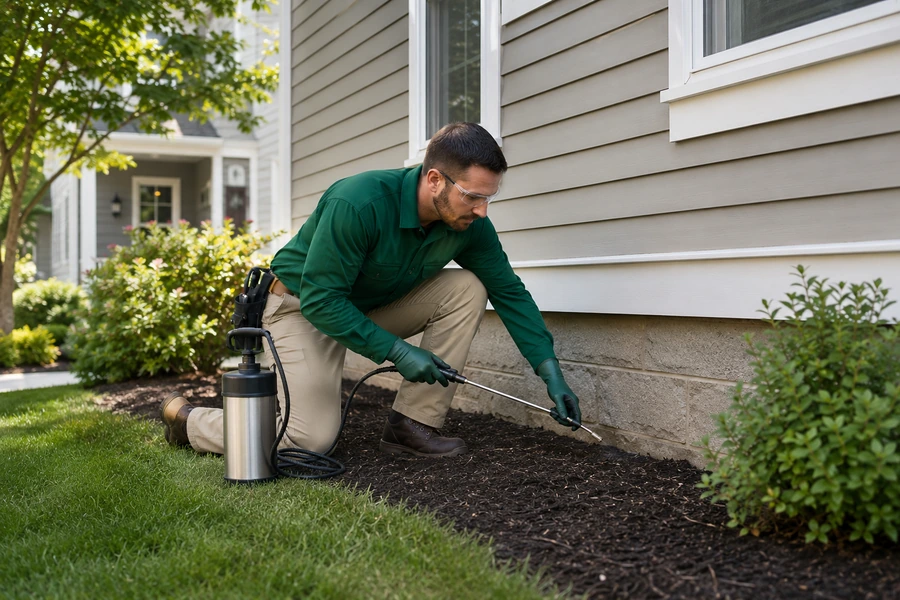
Enter the ZIP code for the house, apartment, condo, or rental—not an unrelated billing or mailing address.
When Residential Pest Control Near Me May Be Useful
A residential pest control near me search may be useful when identification is uncertain, activity continues, property damage or contamination is possible, or the issue affects sleeping, food, tenants, children, pets or normal use of the home.
The Pest Is Not Clearly Identified
Similar insects, droppings, bites, noises, and damage can require different responses. Ask whether identification should come before treatment.
Activity Keeps Returning
Repeated sightings may point to an untreated source, entry point, moisture issue, food source, neighboring activity, or incomplete follow-up.
There Are Bites, Damage, or Contamination
Bites, damaged wood, gnawed wiring, food contamination, droppings, or nests near entrances may require faster evaluation.
The Property Is Multi-Unit or Managed
Apartments, condos, and rentals may require coordinated access, preparation, documentation, common-area review, and neighboring-unit inspection.
Compare Residential Pest Control Near Me Beyond the Starting Price
When comparing residential pest control near me, a low initial price may cover less inspection, fewer areas, limited follow-up or a recurring agreement that is not obvious from an advertisement.
Ask who will perform the work, how the pest was identified, which areas are included, what preparation is required, and what happens if activity continues.
- Verify current credentials through the appropriate state pesticide-regulatory source.
- Ask for proof of insurance when appropriate for the property or work.
- Request written pricing, covered pests and areas, preparation, follow-up, and warranty limits.
- Review recurring billing, renewal, price changes, cancellation, and excluded conditions.
- Keep estimates, contracts, preparation sheets, reports, invoices, and messages.

Residential Pest Control Near Me by Pest Evidence
Use a residential pest control near me search path that matches the evidence, then describe the exact location, timing, property conditions, previous treatment and whether activity is spreading.
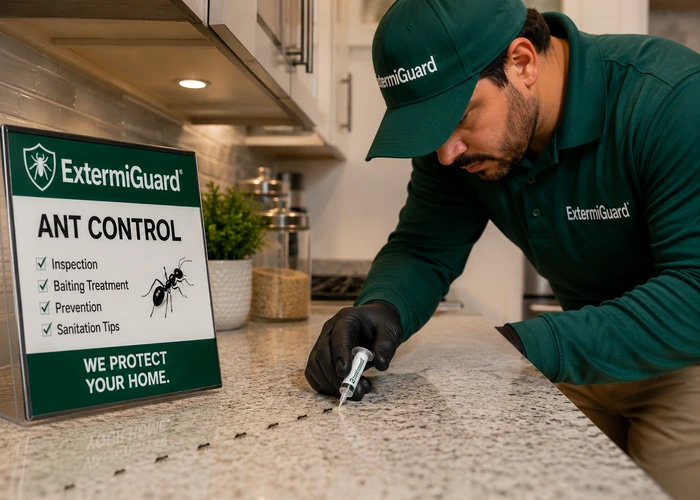 Ant Control
Ant Control for Homes
Trails, moisture, food, windows, doors, patios, mulch, foundations, and activity in more than one room.
Ant Control Near Me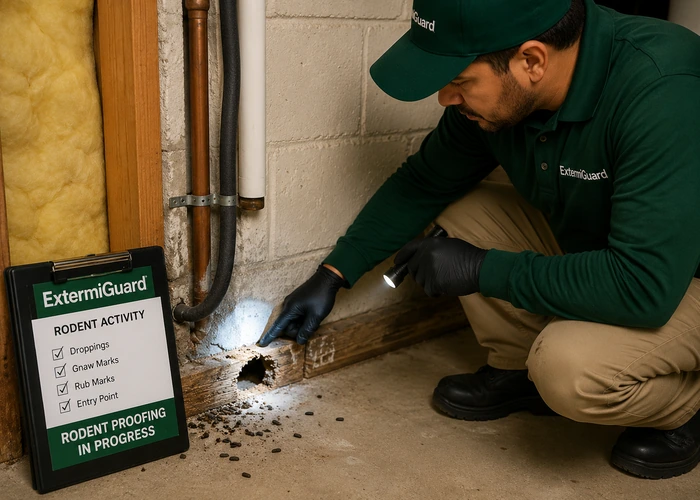 Rodent Control
Rodent Control for Homes
Droppings, gnawing, noises, nesting, damaged food, garage or attic activity, burrows, and utility openings.
Rodent Control Near Me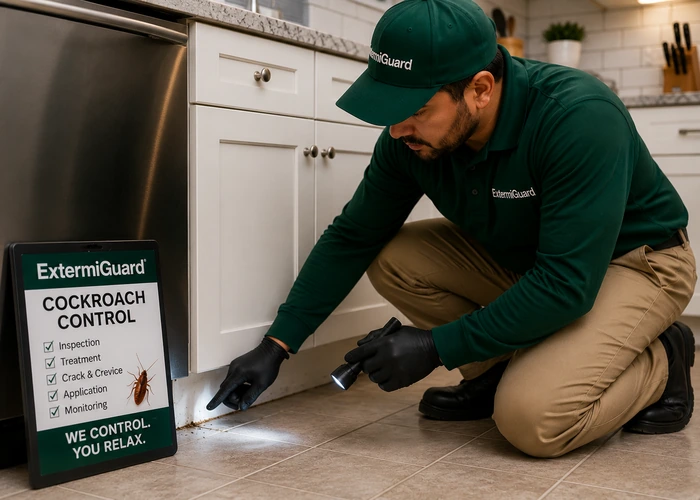 Cockroach Control
Cockroach Control for Homes
Live or dead roaches, egg cases, droppings, odor, drains, sinks, appliances, cabinets, bathrooms, and cardboard.
Cockroach Control Near Me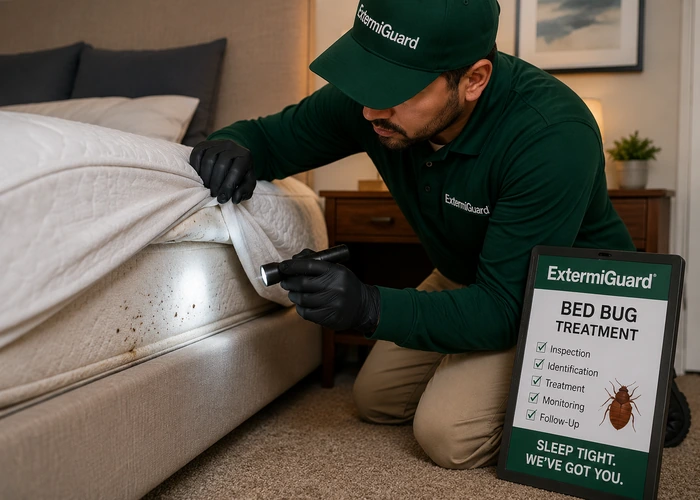 Bed Bug Treatment
Bed Bug Treatment for Homes
Live bugs, dark spotting, shed skins, eggs, mattress seams, headboards, furniture, luggage, and affected rooms.
Bed Bug Treatment Near Me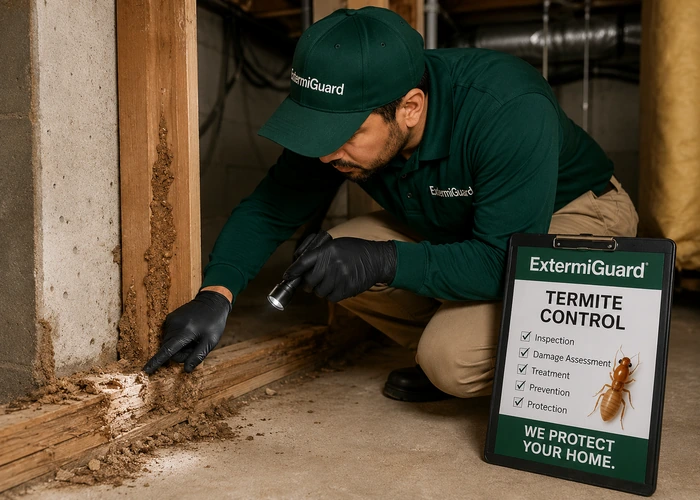 Termite Control
Termite Control for Homes
Swarmers, discarded wings, mud tubes, damaged wood, crawlspace evidence, moisture, and wood-to-soil contact.
Termite Control Near Me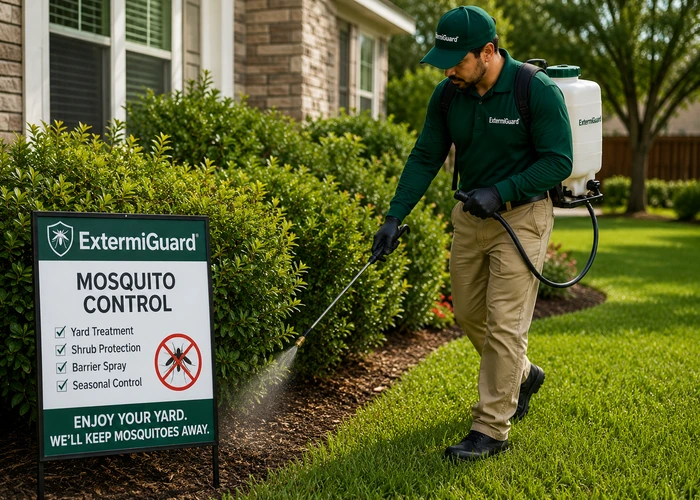 Mosquito Control
Mosquito Control for Homes
Patios, yards, shade, standing water, gutters, containers, vegetation, pets, and times of highest activity.
Mosquito Control Near Me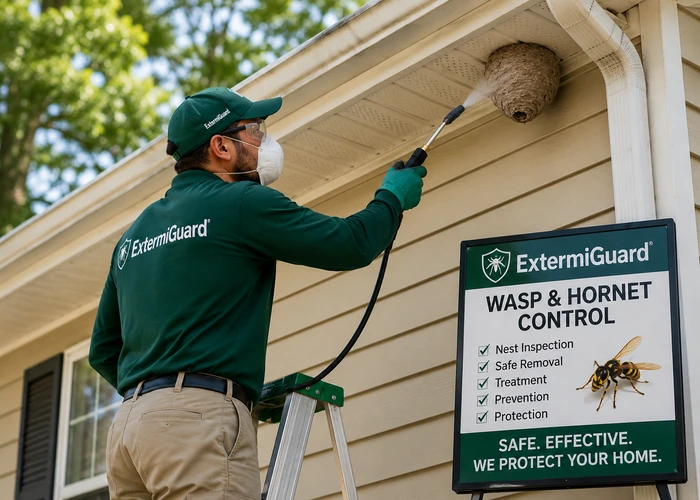 Wasp and Hornet Control
Wasp and Hornet Control for Homes
Nest location, flight path, doors, decks, sheds, soffits, rooflines, playgrounds, pets, and children.
Wasp and Hornet Control Near Me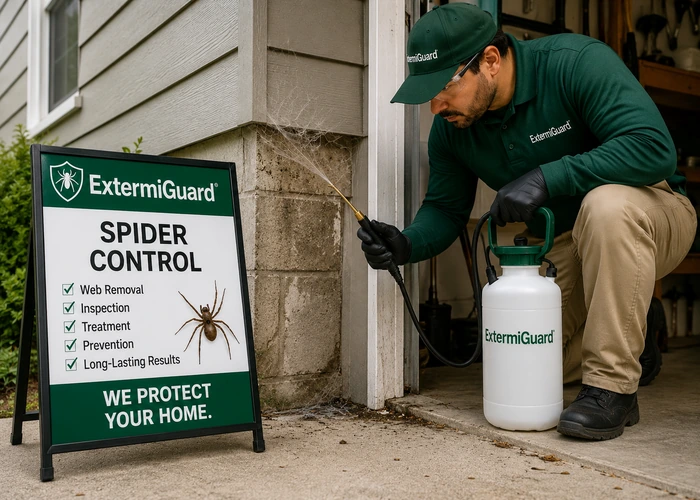 Spider Control
Spider Control for Homes
Basements, garages, exterior lights, storage, corners, crawlspaces, doors, windows, and supporting insect activity.
Spider Control Near MeWhere Residential Pest Control May Need to Focus Around the Home
The room or exterior area can change the residential pest control near me inspection route, preparation, access and prevention questions.
Kitchens, Pantries, and Food Areas
Sinks, drains, cabinets, appliances, crumbs, pet food, cardboard, stored products, moisture, and wall openings can support insects or rodents.
Bedrooms and Living Rooms
Mattress seams, couches, headboards, carpet edges, baseboards, pet bedding, windows, and furniture can matter for bites and indoor insects.
Bathrooms, Laundry, and Moisture Areas
Leaks, drains, damp walls, pipe openings, ventilation, and humidity can support cockroaches, ants, flies, silverfish, and other pests.
Basements, Garages, and Utility Rooms
Foundation gaps, garage seals, utilities, clutter, storage, water heaters, floor drains, and moisture can create entry and harborage.
Attics, Crawlspaces, and Rooflines
Noises, droppings, insulation disturbance, vents, soffits, roof gaps, moisture, and crawlspace access may be important inspection clues.
Foundations, Decks, Patios, and Yards
Vegetation, mulch, firewood, standing water, trash, siding gaps, downspouts, sheds, fences, decks, and foundation edges can affect exterior pressure.
Prepare Safely for Residential Pest Control
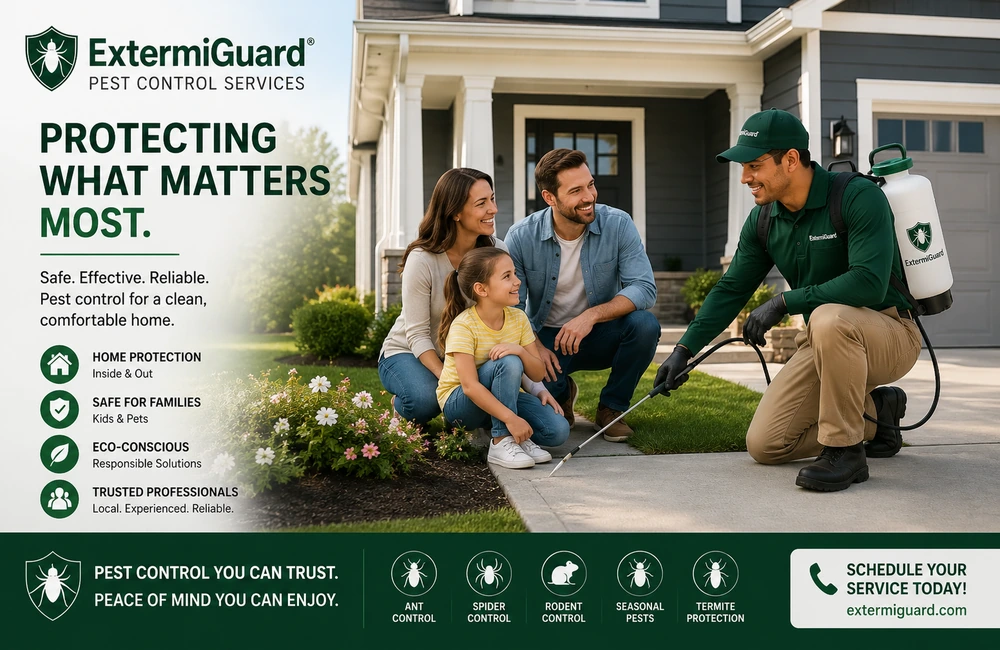
Ask for written preparation instructions.
Confirm what should be moved, cleaned, covered, opened, removed, or left undisturbed.
Disclose children, pets, aquariums, and sensitive occupants.
Ask which areas will be treated, whether anyone must leave, and when normal use may resume.
Share previous products and treatments.
Tell the provider which sprays, baits, foggers, powders, traps, or home remedies were used, where, and when.
Preserve useful evidence when safe.
Photos, droppings, wings, mud tubes, spotting, shed skins, damage, trails, nests, and exact locations may help identification.
Confirm access and follow-up expectations.
Discuss bedrooms, cabinets, attics, garages, crawlspaces, exterior areas, tenant units, monitoring, callbacks, and warranty terms.
Questions to Ask Before Choosing Residential Pest Control Near Me
Important residential pest control near me answers should appear in the written estimate or agreement—not only in an advertisement or verbal promise.
What pest was identified?
Ask what evidence supports the identification and whether other pests or non-pest conditions were considered.
What areas are included?
Confirm rooms, exterior areas, attics, basements, garages, crawlspaces, shared spaces, and exclusions.
What is the total expected cost?
Request initial, follow-up, recurring, optional, inspection, exclusion, tax, renewal, and cancellation charges.
What preparation and precautions apply?
Discuss occupants, pets, aquariums, food, bedding, toys, sensitive rooms, ventilation, treated areas, and re-entry.
What follow-up is included?
Ask about monitoring, additional visits, callbacks, exclusion, sanitation, recurring prevention, and warranty conditions.
What must the customer correct?
Clarify entry points, moisture, food, clutter, trash, landscaping, tenant access, neighboring activity, and repairs.
How ExtermiGuard Helps With Residential Pest-Control Searches
ExtermiGuard organizes residential pest control near me searches and consumer comparison information.
- Start with the ZIP code where the home or apartment needs service.
- Browse pest, inspection, quote, rental, apartment, and service-area pages.
- Prepare questions about credentials, scope, pricing, safety, contracts, and follow-up.
- Continue to participating-provider contact information when available for the ZIP entered.
What Independent Providers Control
The provider remains responsible for every part of the pest-control service and customer agreement.
- Licensing, insurance, pest identification, inspections, recommendations, products, technicians, and results.
- Prices, schedules, invoices, refunds, warranties, contracts, recurring terms, and customer support.
- Tenant-landlord coordination, property access, repairs, preparation, and service documentation.
- All safety instructions, treatment decisions, follow-up recommendations, and service outcomes.
Home Conditions That Can Keep Pest Activity Going
Prevention does not replace inspection or treatment when activity is established, but unresolved food, water, shelter, access, and maintenance conditions can contribute to recurrence.
Gaps and Entry Points
Door sweeps, garage seals, vents, pipe openings, roof gaps, screens, siding, foundations, and utility penetrations may need repair.
Moisture and Standing Water
Leaks, drains, gutters, damp basements, crawlspaces, condensation, wet mulch, containers, and poor drainage can support pests.
Food, Trash, and Clutter
Crumbs, pet food, pantry goods, dirty dishes, recycling, trash, cardboard, stored items, and clutter may provide food or shelter.
Exterior Conditions
Vegetation, firewood, mulch, debris, sheds, bird seed, compost, trash containers, lighting, and neighboring activity can increase pressure.
Residential Pest Control Near Me FAQ
General residential pest control near me search and comparison guidance for homeowners, tenants, landlords and property managers.
View More Pest Control FAQWhat does residential pest control near me include?
Residential pest control addresses pest activity and prevention around houses, apartments, condos, rentals, basements, attics, garages, crawlspaces, yards, decks, patios, and exterior foundations. The exact inspection and service plan depends on the pest, evidence, property, provider, and written agreement.
How do I find residential pest control near me by ZIP code?
Start with the ZIP code where the home needs service. Then narrow the search by pest evidence, room or exterior area, property type, urgency, children and pets, preparation needs, previous treatment, and provider availability.
How much can residential pest control near me cost?
Pricing can vary by pest, inspection needs, property size, severity, access, treatment method, number of visits, exclusion work, region, and whether service is one-time or recurring. Request a written estimate that separates all expected charges and terms.
Should residential pest control start with a home inspection?
An inspection may be important when the pest is unknown, evidence is limited, activity occurs in several areas, the concern involves termites, bed bugs, rodents, structural access, or a multi-unit building, or the scope cannot be responsibly determined from the information available.
Will one residential pest-control visit solve the problem?
Sometimes, but not always. Results depend on the pest, severity, access, property conditions, preparation, sanitation, moisture, entry points, neighboring activity, treatment method, and life cycle. Monitoring or additional visits may be needed.
Is apartment pest control different from service in a house?
Yes. Apartments and shared housing may involve unit-to-unit movement, common utilities, shared walls, hallways, basements, laundry rooms, trash rooms, tenant notices, access, preparation, and property-management coordination.
Does ExtermiGuard perform or guarantee residential pest control?
No. ExtermiGuard is a search and connection platform. Participation or ZIP placement may be paid and is not an endorsement or guarantee. Independent providers control licensing, insurance, inspection, prices, schedules, products, treatments, agreements, warranties, billing, and customer support.
Independent Residential Pest-Control and Pesticide Guidance
These official resources support informed decisions about choosing a company, pest identification, prevention, and Integrated Pest Management.
EPA: Choosing a Pest Control Company
Consumer guidance about qualifications, credentials, estimates, written service information and questions to ask before hiring.
Visit EPA Resource →NPIC: Selecting a Pest Control Company
Questions covering qualifications, experience, reputation, cost, inspections, and service expectations.
Visit NPIC Resource →EPA: Integrated Pest Management Principles
Learn about identification, monitoring, prevention, action thresholds, and selecting appropriate control methods.
Visit EPA IPM Resource →Search Residential Pest Control Near Me by ZIP Code
Use the ZIP code for the home, apartment, condo or rental that needs help to continue a residential pest control near me search by pest concern, inspection need, quote request or participating-provider availability.