
Residential Pest Control
Residential pest control helps homeowners, renters, and property occupants address pest activity in living spaces, kitchens, bathrooms, basements, garages, attics, and around the outside of the home.
This page follows the same ExtermiGuard layout style as your other service pages while keeping the wording clean, natural, and strong for SEO without keyword stuffing.
Residential pest concerns often begin when activity is noticed in everyday areas where people live, sleep, cook, store items, or spend time with family.
- Matches your existing page style
- Built for home-focused search intent
- Clear route back to ZIP search
- Strong internal linking structure
Common Residential Areas
This page is written around the kinds of spaces people naturally associate with pest concerns in and around the home, while staying broad enough for your referral model.
- Kitchens, pantries, and dining areas
- Bathrooms, basements, and laundry spaces
- Bedrooms, living rooms, and closets
- Garages, attics, and storage areas
- Exterior entry points and yard-adjacent zones
On This Page
This page covers what residential pest control includes, the parts of a home where issues often begin, why home environments need attention, helpful service-focus topics, related ExtermiGuard pages, outside resources, and common questions.
What Residential Pest Control Really Covers
Residential pest control is built for houses, apartments, condominiums, and other living spaces where pest activity can affect comfort, cleanliness, daily routines, and peace of mind.
Built for Living Spaces
This page is written for residential settings rather than business properties, making it a strong fit for houses, apartments, condos, and multi-unit living environments.
Centered on Daily Home Life
Residential pest concerns often affect the places where people sleep, cook, relax, store belongings, and move through the home every day.
Strong Standalone Service Page
This page can rank on its own while also linking naturally to General Pest Control, Commercial Pest Control, Ant Control, Rodent Control, Bed Bug Treatment, and Service Areas.
Where Residential Pest Control Is Commonly Needed
Home pest issues can begin in kitchens, bathrooms, basements, attics, garages, bedrooms, exterior entry points, and other places where moisture, food, clutter, or shelter may be present.
Kitchens and Pantries
Kitchens, pantries, dining spaces, and food-storage areas are some of the most common places where residential pest concerns begin.
Bathrooms and Laundry Areas
Bathrooms and nearby laundry spaces can create moisture-related conditions that make certain pest issues more noticeable over time.
Basements and Lower Levels
Basements often combine storage, lower light, clutter, moisture, and quiet corners that can contribute to residential pest activity.
Bedrooms and Living Areas
Bedrooms, family rooms, and living spaces matter because pest concerns in these areas can quickly affect comfort and peace of mind.
Garages, Attics, and Storage Areas
Garages, attics, closets, and storage-heavy sections of a home can create sheltered zones where activity may go unnoticed at first.
Exterior Entry Points
Doors, windows, foundation lines, utility penetrations, and other access points around the outside of a home can matter when pest issues continue.
Why Residential Pest Control Needs a Home-Focused Approach
Residential pest concerns affect the places where people spend daily life, which is why a strong page should reflect comfort, cleanliness, routine living, storage habits, moisture areas, and the spaces families use most.
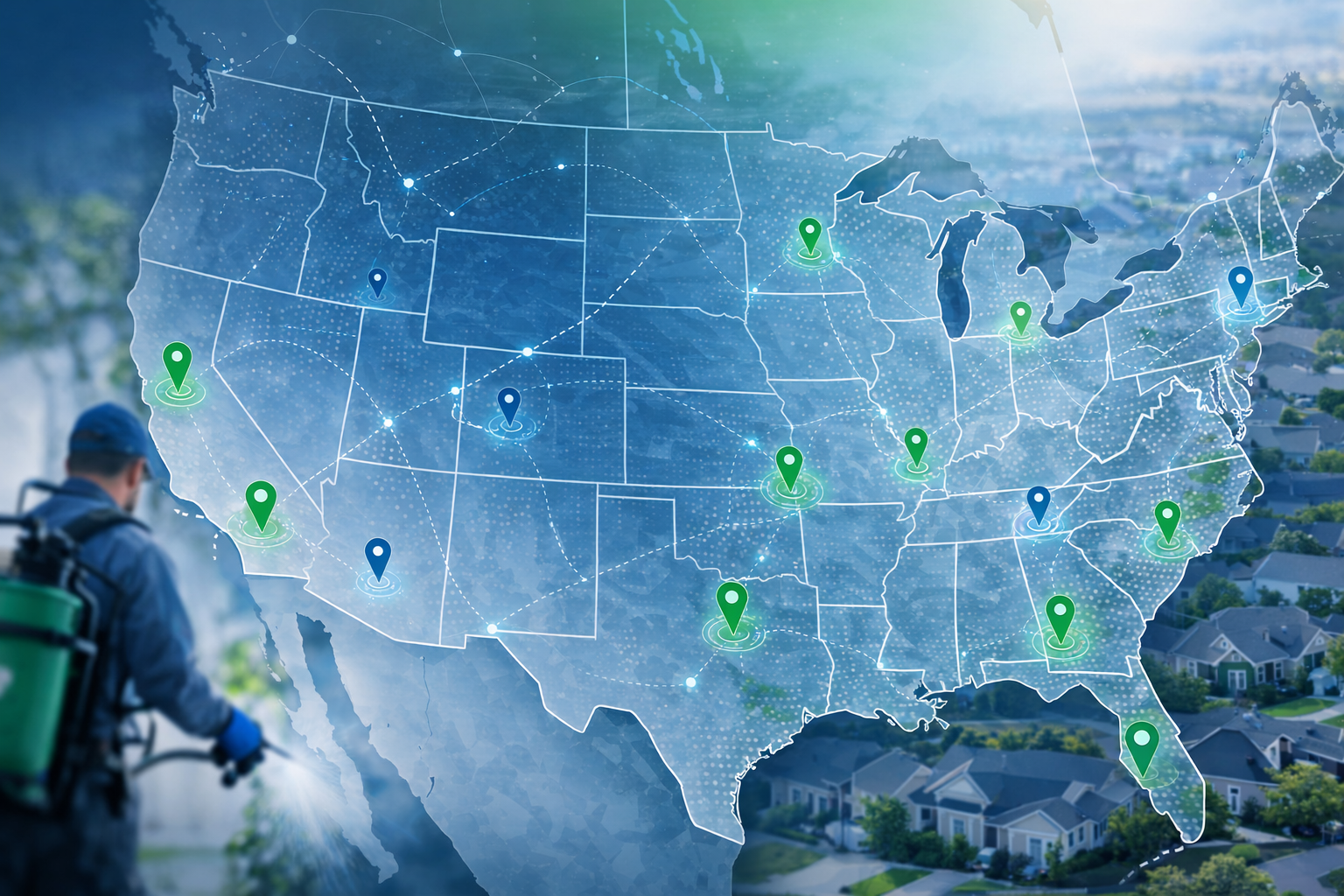
Comfort and Daily Living Matter
Homeowners and residents often search for help when pest activity starts affecting kitchens, sleeping areas, storage sections, or the general comfort of the property.
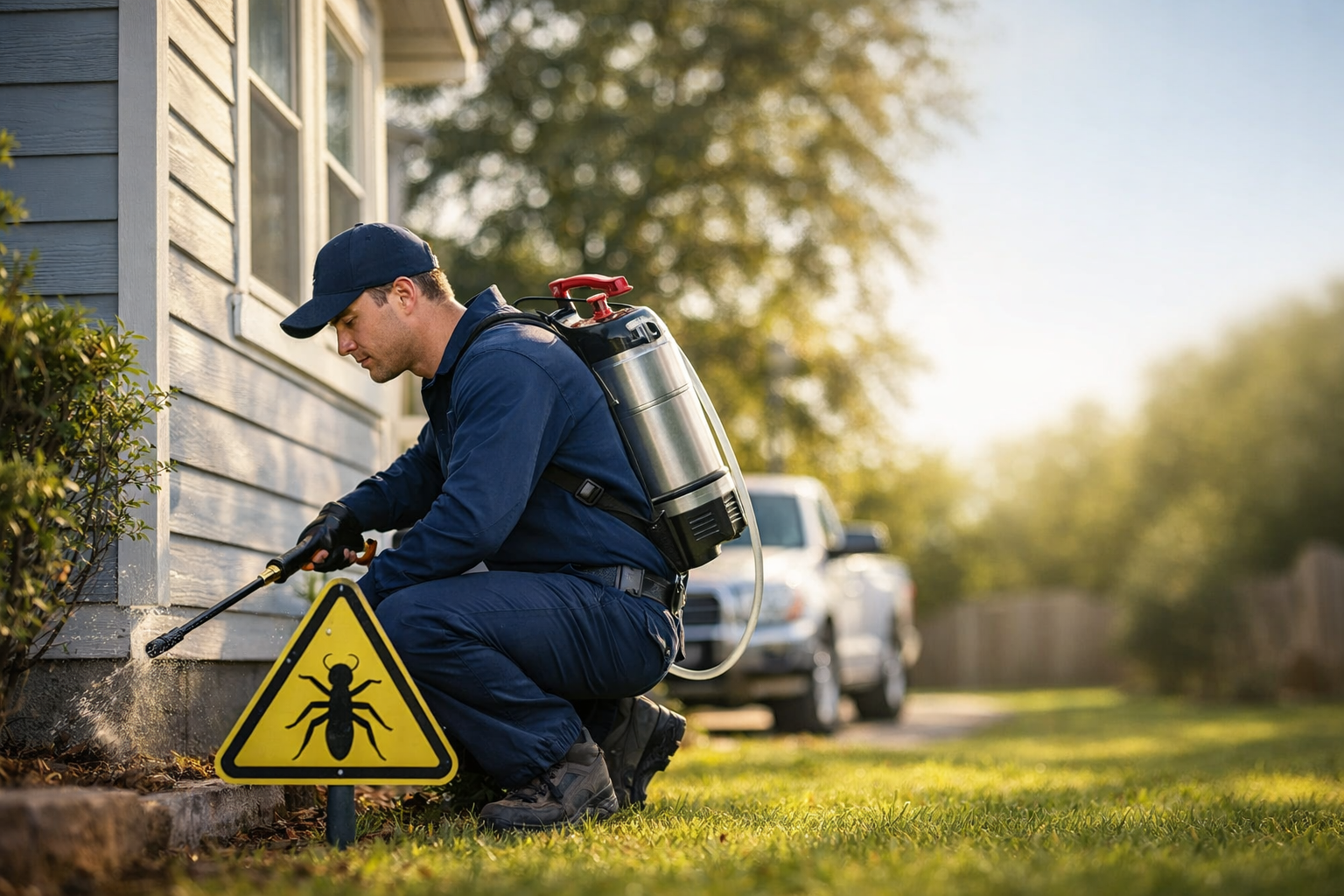
Inside and Outside Conditions Both Count
Residential pest issues can begin indoors, outdoors, or at the transition points between the yard and the home, which makes whole-property awareness important.
Helpful Focus Areas for Residential Pest Control
A strong residential page should talk about real home conditions, room types, storage patterns, moisture areas, and entry points instead of repeating the keyword too often.
Food and Kitchen Areas
Food residue, pantry goods, crumbs, trash storage, and kitchen activity can all matter when residential pest concerns are developing.
Moisture-Prone Areas
Bathrooms, basements, laundry-adjacent sections, and other damp spaces can create conditions that support certain household pest issues.
Storage and Clutter Zones
Closets, attics, garages, cardboard, stored materials, and quiet corners often deserve attention in residential environments.
Exterior Edges and Entry Points
Foundation lines, doors, window edges, vents, and utility openings around the home can play a role when activity persists.
Helpful External Pest Information
These outside resources support general awareness while visitors continue through the ExtermiGuard location-based search flow.
EPA Pest Resources
For general pest-management and pesticide-safety information, review the U.S. Environmental Protection Agency pest resources.
CDC Healthy Homes
For broader healthy-home and living-environment information, the Centers for Disease Control and Prevention offers useful guidance.
Residential Pest Control FAQ
Quick answers to common questions about home pest issues, living spaces, and how this page fits into the ExtermiGuard search path.
What does residential pest control usually cover?
Is this page focused only on one type of home?
Can residential pest issues begin both inside and outside the home?
Does this page connect to related pest pages too?
Can visitors return to the homepage ZIP search from here?
What page should come next after this one?
Ready to Return to the Homepage ZIP Search?
If you want to move from residential pest control into the main location-based search flow, jump to the homepage ZIP code section and start with your area first.