
Termite Damage Repair Near Me
Search Termite Damage Repair help by service ZIP code when termites have damaged trim, sill plates, joists, subflooring, framing, door or window components, porches, decks, crawlspace wood, basement framing, garages, or other structural and finish materials.
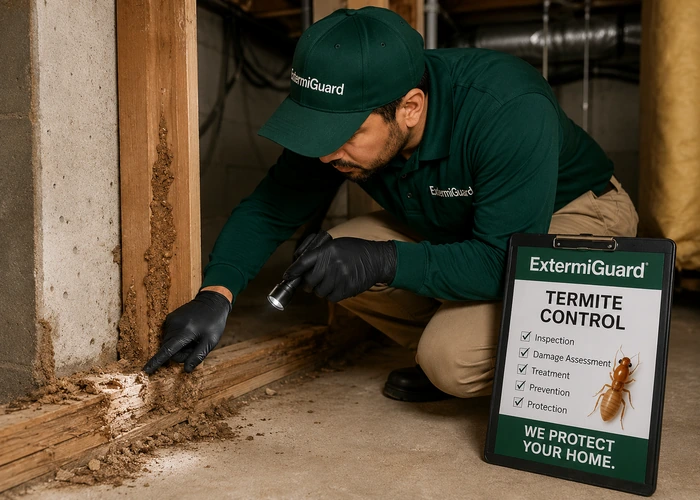
- Is there evidence of active termites, old controlled damage, wood rot, moisture damage, another wood-destroying insect, or more than one problem?
- How much of the damaged member remains sound, and is the affected material finish wood, nonstructural trim, subflooring, framing, a sill plate, joist, beam, post, or another load-bearing component?
- Has the termite-control plan been coordinated with access needed for repair, moisture correction, soil contact, additions, foundations, or warranty requirements?
Termite Damage Repair Starts With Determining What the Damage Actually Means
Termite Damage Repair should not begin with assumptions. Mississippi State Extension notes that termite-damaged wood may reflect active termites or old damage from a previously controlled infestation, while sagging or damaged framing can also have causes such as rot. A professional inspection helps separate current pest activity from old damage and other building problems.
Active Termite Evidence
Live termites, fresh mud tubes, swarmers, wings, active galleries, or other current evidence can indicate that termite control still needs to be addressed before repair is treated as a finished solution.
Old Termite Damage
Dried galleries and damaged wood can remain after a past infestation has been controlled. Old damage may still require repair, but the repair decision is different from deciding whether termites are currently active.
Moisture and Decay
Leaks, poor drainage, wet crawlspaces, damaged flashing, plumbing problems, wood-to-soil contact, or decay can weaken wood independently of termites and can also create conditions that deserve correction.
Structural Significance
Damaged trim and cosmetic wood are not the same as weakened joists, beams, posts, subflooring, sill plates, roof framing, or other load-bearing components. Structural uncertainty may require a contractor, engineer, or building professional.
Termite Damage Repair Can Involve Finish Wood, Framing, Floors, and Foundation-Adjacent Materials
Termite Damage Repair can range from localized trim replacement to substantial framing work. Penn State Extension notes that subterranean termites can damage mudsills, studs, joists, subflooring, floors, posts, steps, door frames, trim, siding, window frames, and other wood connected to the structure.
Baseboards, Trim, Doors, and Windows
Door jambs, window frames, baseboards, casing, decorative trim, built-ins, cabinets, and other finish materials may reveal damage before deeper framing is visible. Cosmetic replacement should not conceal unexplained active evidence.
Sill Plates, Studs, and Joists
Structural wood immediately above foundation walls can be vulnerable to subterranean termites. Sills, studs, joists, beams, posts, and framing may require repair or replacement when the remaining wood is no longer adequate.
Subfloors, Floors, and Wall Framing
Extensive infestations can affect subflooring, finished floors, wall framing, and slab-connected wood. Soft floors, localized sagging, damaged framing, or repeated repairs deserve a broader assessment than surface patching.
Decks, Porches, Steps, and Exterior Wood
Porch supports, deck framing, steps, siding, attached wood, fence connections, garage framing, landscape timbers, and wood touching soil may combine termite damage with weathering, moisture, rot, or construction defects.
Termites can hollow wood internally while leaving a thin outer surface. Finished walls, insulation, flooring, siding, stored materials, low-clearance crawlspaces, and inaccessible areas can hide additional damage. If floors sag, framing is visibly compromised, or a structural member appears unsafe, limit use of the affected area and obtain qualified building or structural review rather than assuming a cosmetic repair is sufficient.
Termite Damage Repair Works Best When Inspection, Control, Repair, and Prevention Are Coordinated
Termite Damage Repair is often a sequence rather than a single appointment. The exact order can change if there is an immediate structural-safety concern, but the pest evidence, repair access, treatment plan, and corrective work should not conflict with one another.
1. Inspect the termite evidence and damaged areas.
Determine whether termites appear active, where damage is visible, what areas are inaccessible, and whether other causes such as rot, moisture, or another wood-destroying pest may be involved.
2. Establish the termite-control plan when activity is present.
A licensed termite provider may recommend a soil treatment, baiting, localized treatment, wood treatment, monitoring, structural corrections, or another labeled approach based on the structure and infestation.
3. Define the repair scope with the correct professional.
Localized finish work may be straightforward, while structural members, floors, beams, posts, sill plates, roof components, or complicated moisture damage may require a contractor, carpenter, engineer, permit, or specialty trade.
4. Correct conditions that can undermine the repair.
Address drainage, leaks, wood-to-soil contact, debris, foundation openings, damaged flashing, moisture, crawlspace problems, or other conditions identified by the appropriate professional.

Termite Damage Repair May Require a Pest Professional, Contractor, and Structural Specialist
Termite Damage Repair often crosses professional boundaries. A pest-control license does not automatically make someone a licensed construction contractor or structural engineer, and a contractor repairing wood does not automatically provide termite inspection or pesticide treatment.
| Professional / Service | Typical Role | Confirm Before Hiring |
|---|---|---|
| Licensed termite / pest-control provider | Inspect for termite evidence, identify activity, recommend and perform termite-control work, explain treatment warranties and monitoring. | State pesticide credentials, inspection scope, evidence supporting treatment, products or system, covered areas, warranty, renewal, retreatment, and exclusions. |
| Carpenter or construction contractor | Replace or reinforce damaged trim, framing, flooring, sill plates, joists, posts, decks, porches, siding, or other building materials within their scope. | Contractor licensing where required, insurance, permits, written repair scope, materials, hidden-damage process, change orders, warranty, and coordination with termite treatment. |
| Structural engineer or building professional | Evaluate load-bearing damage, sagging floors or roofs, compromised beams/posts, structural adequacy, reinforcement, or repair design when the condition is uncertain or significant. | Professional qualifications, inspection deliverable, calculations or drawings if needed, repair recommendations, and whether permit or code review is required. |
| Moisture / specialty trade | Correct leaks, drainage, flashing, plumbing, crawlspace moisture, ventilation, foundation issues, or other conditions that are outside termite treatment. | Cause of moisture, repair scope, interaction with termite treatment, drying or remediation needs, warranty, and whether another trade or permit is required. |
Termite Damage Repair Can Range From Localized Wood Replacement to Structural Reconstruction
Termite Damage Repair cost and complexity depend on more than how much damaged wood is visible. Access, load-bearing function, hidden damage, finish restoration, moisture, permits, temporary support, electrical or plumbing conflicts, crawlspace access, flooring, siding, and termite-treatment requirements can all change the project.
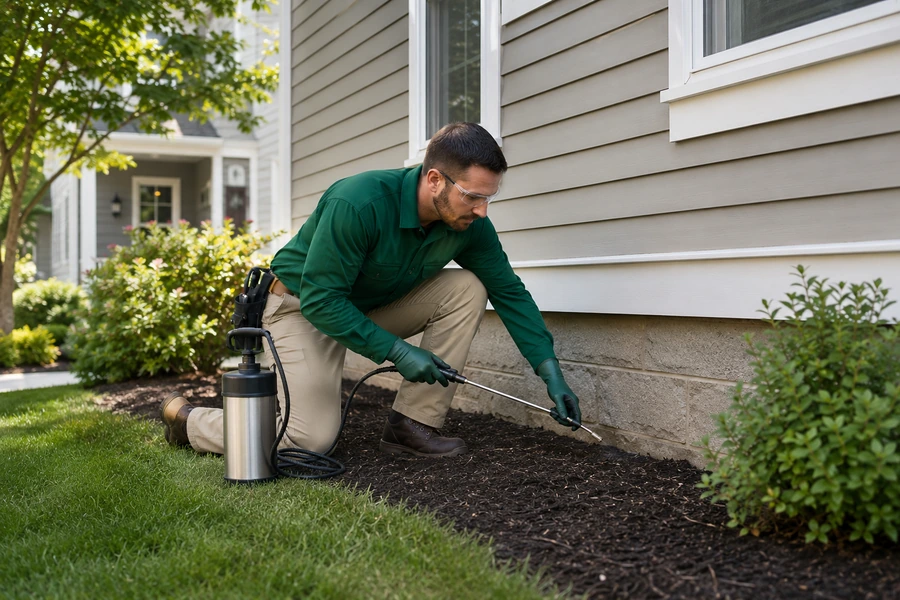
Localized Finish Repair
Baseboards, trim, door frames, window components, small non-load-bearing pieces, and isolated finish damage may have a relatively contained repair scope after the underlying termite and moisture questions are resolved.
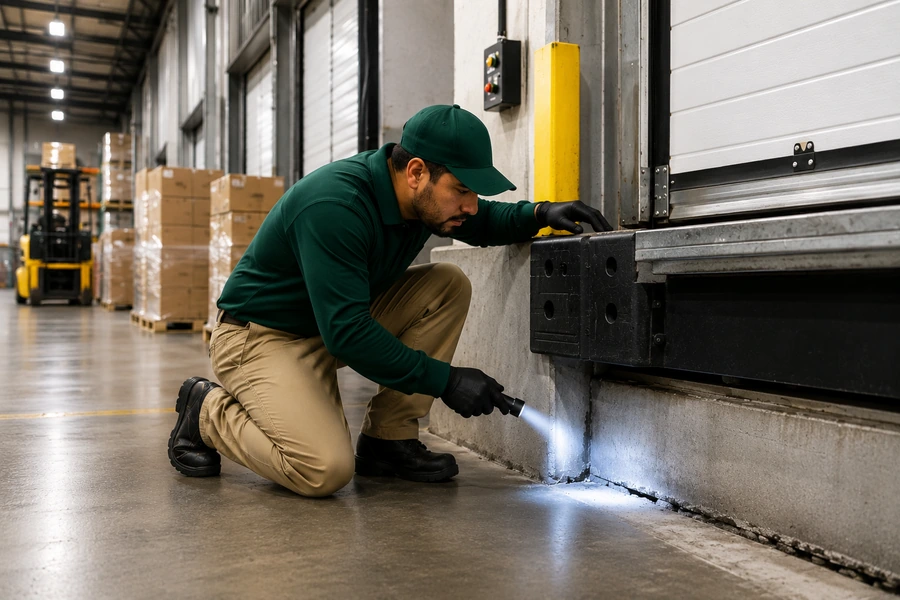
Framing and Floor Repair
Sill plates, joists, subfloors, studs, beams, posts, headers, floor systems, crawlspace framing, or wall framing can require temporary support, selective demolition, code-compliant materials, inspections, and coordination with other building systems.
Corrective and Preventive Work
Drainage, grading, leaks, flashing, foundation cracks, wood-to-soil contact, damaged doors or trim, crawlspace moisture, debris, structural gaps, and other conditions may need correction so new materials are not installed into the same problem.
Termite Damage Repair Quotes Should Separate Pest Control From Construction Work
Before approving Termite Damage Repair, ask which company is responsible for termite treatment, which company is responsible for physical repair, what each warranty covers, and whether either warranty excludes pre-existing damage or future repairs.
Inspection Findings
Ask for the areas inspected, active or inactive evidence, inaccessible areas, photographs when available, damaged components, moisture conditions, and whether another professional should evaluate the structure.
Termite-Control Warranty
Confirm whether the pest agreement includes retreatment only, monitoring, annual inspections, damage repair, limited repair coverage, exclusions, renewal costs, additions, soil disturbance, or other warranty conditions.
Construction Scope
Request a written description of removal, replacement, reinforcement, materials, permits, finish restoration, disposal, hidden-damage procedures, change orders, start and completion conditions, and workmanship warranty.
Keep the Documentation
Retain inspection reports, treatment records, labels or treatment documents, invoices, repair photographs, permits, contractor records, warranties, annual termite inspections, and real-estate disclosures where applicable.
Termite Damage Repair Can Matter During Home Sales, Refinancing, Renovation, and Insurance Questions
Termite Damage Repair may become visible during remodeling, flooring replacement, wall removal, siding work, a home inspection, lender review, or a wood-destroying-insect inspection. The presence of old or repaired termite damage does not automatically answer whether termites are currently active or whether a transaction requires additional documentation.
Homeowners and Renovations
Termite damage is sometimes discovered after drywall, flooring, trim, siding, or other finishes are removed. Pause long enough to document the condition and determine whether termite inspection is needed before the area is closed again.
Real-Estate Transactions
Buyers, sellers, agents, lenders, and inspectors may need records showing termite findings, treatment, warranties, repairs, invoices, permits, or a formal wood-destroying-insect report. Requirements vary by transaction and location.
Insurance and Warranty Questions
Homeowners insurance, contractor warranties, termite treatment contracts, and termite damage warranties are separate documents. Do not assume termite damage or repair is covered; review the actual policy or agreement and obtain written clarification.
Termite Damage Repair Resources for Inspection, Control, Damaged Wood, and Prevention
These independent resources support important Termite Damage Repair topics including identifying active versus old damage, structural timber damage, replacing badly damaged wood, correcting moisture and soil-contact conditions, and choosing a licensed pest-control provider.
EPA: Identify and Control Termites
EPA guidance on termite signs, licensed pest-control companies, prevention, treatment methods, labels, re-entry, and termite service questions.
Visit EPA Termite Guidance →Penn State: Subterranean Termites
Current Extension guidance on damaged structural timbers, inspection, replacement of badly damaged wood, drainage, foundation conditions, treatment, and warranties.
Visit Penn State Extension →Mississippi State: Signs of Termite Damage
Guidance distinguishing active termites, old damage, dried mud galleries, termite evidence found during remodeling, and structural symptoms that deserve professional inspection.
Visit Mississippi State Extension →EPA: Selecting a Pest-Control Service
EPA guidance on provider credentials, termite contracts, treatment proposals, annual inspections, guarantees, pesticide precautions, and comparing companies.
Visit EPA Provider Guidance →Questions About Termite Damage Repair, Contractors, Treatment, and Cost
These answers explain common Termite Damage Repair questions without assuming that every damaged member can be evaluated from a pest inspection or that pest-control service automatically includes carpentry or structural repair.
How do I find Termite Damage Repair near me?
Start with the ZIP code where the damage is located. If termite activity has not already been evaluated, begin with a licensed termite inspection. Then determine whether the physical repair requires a carpenter, construction contractor, structural engineer, moisture specialist, or another qualified professional.
Should termite damage be repaired before termite treatment?
Not automatically. Repairing or covering damaged material too early can remove useful evidence or interfere with inspection and treatment access. However, a component that is structurally unsafe may need immediate stabilization. Coordinate the pest-control and repair professionals based on the actual condition.
Does termite damage always mean termites are still active?
No. Mississippi State Extension notes that dried mud in galleries can indicate old termite damage even when live termites are no longer present. A professional inspection can help distinguish active evidence from old damage, rot, moisture damage, or another cause.
Who actually performs Termite Damage Repair?
Pest-control providers commonly inspect and treat termites. Physical repair may require a carpenter or construction contractor, and significant load-bearing damage may justify a structural engineer or other building professional. Licensing and permit requirements vary by location and project.
What parts of a house can termites damage?
Potential areas include sill plates, studs, joists, beams, posts, subflooring, floors, wall framing, trim, door frames, window frames, siding, steps, decks, porches, garages, and other cellulose-based materials. The exact extent can remain concealed until finishes are removed.
How much does Termite Damage Repair cost?
Cost depends on the amount and location of damage, whether members are load-bearing, demolition and finish restoration, access, temporary support, permits, hidden damage, flooring or siding removal, moisture repair, treatment coordination, contractor rates, materials, and whether engineering is required.
Can a termite company guarantee the repair?
Some termite agreements provide retreatment warranties, while some may offer limited termite-damage repair coverage. Terms vary widely. Review what counts as new damage, pre-existing damage, covered materials, annual renewal, inspections, structural alterations, additions, soil disturbance, limits, exclusions, and claim procedures.
Can I just reinforce damaged wood instead of replacing it?
Whether reinforcement, sistering, partial replacement, full replacement, or another repair is acceptable depends on the member, remaining sound wood, loads, building code, access, and damage extent. A qualified contractor or structural professional should determine the appropriate repair when structural adequacy is uncertain.
Does ExtermiGuard perform Termite Damage Repair?
No. ExtermiGuard is a search and connection platform. Independent pest-control providers control termite inspection and treatment, while physical construction or structural repair may require separate qualified professionals. ExtermiGuard does not inspect, treat, engineer, or repair the property.
Start Your Termite Damage Repair Search by ZIP Code
Enter the property ZIP code, then describe the termite evidence, damaged materials, foundation type, basement or crawlspace, moisture, prior treatment, inaccessible areas, structural symptoms, and any upcoming renovation or real-estate deadline. Confirm termite activity, treatment scope, repair responsibility, contractor credentials, warranties, total price, and written terms before the damaged area is closed.