
Rodent Control
Rodent control focuses on pest concerns in attics, basements, crawl spaces, garages, kitchens, utility areas, and other indoor or outdoor locations where mice or rats may travel, shelter, or search for food and water.
This page follows the same ExtermiGuard layout style as your other pest pages while keeping the wording natural, useful, and SEO-strong without keyword stuffing.
Many people start searching for rodent control when they notice noises, droppings, gnawing, movement near food storage, or activity around foundations, entry points, and hidden structural spaces.
- Matches your existing page style
- Built for rodent-related search intent
- Clear route back to ZIP search
- Strong internal linking structure
Common Rodent Activity Areas
This page is written around the kinds of places people naturally associate with rodent activity while staying broad enough for your ExtermiGuard referral model.
- Attics, crawl spaces, and wall voids
- Basements, garages, and storage rooms
- Kitchens, pantries, and food areas
- Utility lines, gaps, and entry points
- Foundations, sheds, and exterior edges
On This Page
This page covers what rodent control includes, the places where rodent activity often begins, why food, shelter, and entry points matter, helpful service-focus topics, related ExtermiGuard pages, outside resources, and common questions.
What Rodent Control Really Covers
Rodent control is focused on activity around food sources, shelter zones, hidden structural spaces, and the routes mice or rats may use to move into, through, or around a property.
Built for a High-Concern Pest
This page is written around one of the most common and urgent household or building pest concerns, especially when movement, noises, or droppings start appearing in hidden areas.
Useful for Homes and Structures
Rodent concerns often involve both the inside of the structure and the outdoor areas around foundations, sheds, entry gaps, utility lines, and exterior storage zones.
Strong Standalone Pest Page
This page can rank on its own while also linking naturally to General Pest Control, Residential Pest Control, Commercial Pest Control, Ant Control, Cockroach Control, and Service Areas.
Where Rodent Control Is Commonly Needed
Rodent activity often centers around food, water, nesting shelter, hidden access points, and quiet structural spaces, which makes certain interior and exterior areas more relevant than others.
Attics and Crawl Spaces
Attics, crawl spaces, ceiling areas, and other quiet structural sections are some of the most common places where rodent activity may go unnoticed at first.
Basements and Lower Levels
Basements often combine storage, less foot traffic, utility access, and hidden corners that can support ongoing rodent activity.
Kitchens and Food Areas
Kitchens, pantries, food-storage zones, and trash areas are major concern points when rodents begin searching for easy food access.
Garages and Storage Areas
Garages, sheds, utility rooms, and cluttered storage spaces can become shelter zones where rodent movement or nesting begins.
Entry Points and Utility Gaps
Doors, vents, utility penetrations, pipe gaps, foundation openings, and other structural access points are common areas of concern.
Foundations and Exterior Edges
Foundations, exterior walls, yard-adjacent zones, woodpiles, sheds, and nearby structure edges can matter just as much as the inside of the property.
Why Rodent Control Needs a Clear Structural and Exterior Page
Rodent concerns are often tied to conditions both inside the structure and around the outside of the property, which is why a strong page should reflect shelter, food sources, hidden travel paths, and common access points over time.

Food and Shelter Patterns Matter
People often start searching for help when rodents begin showing up near food storage, waste areas, quiet nesting spots, or repeated travel paths inside the structure.
Interior and Exterior Routes Both Count
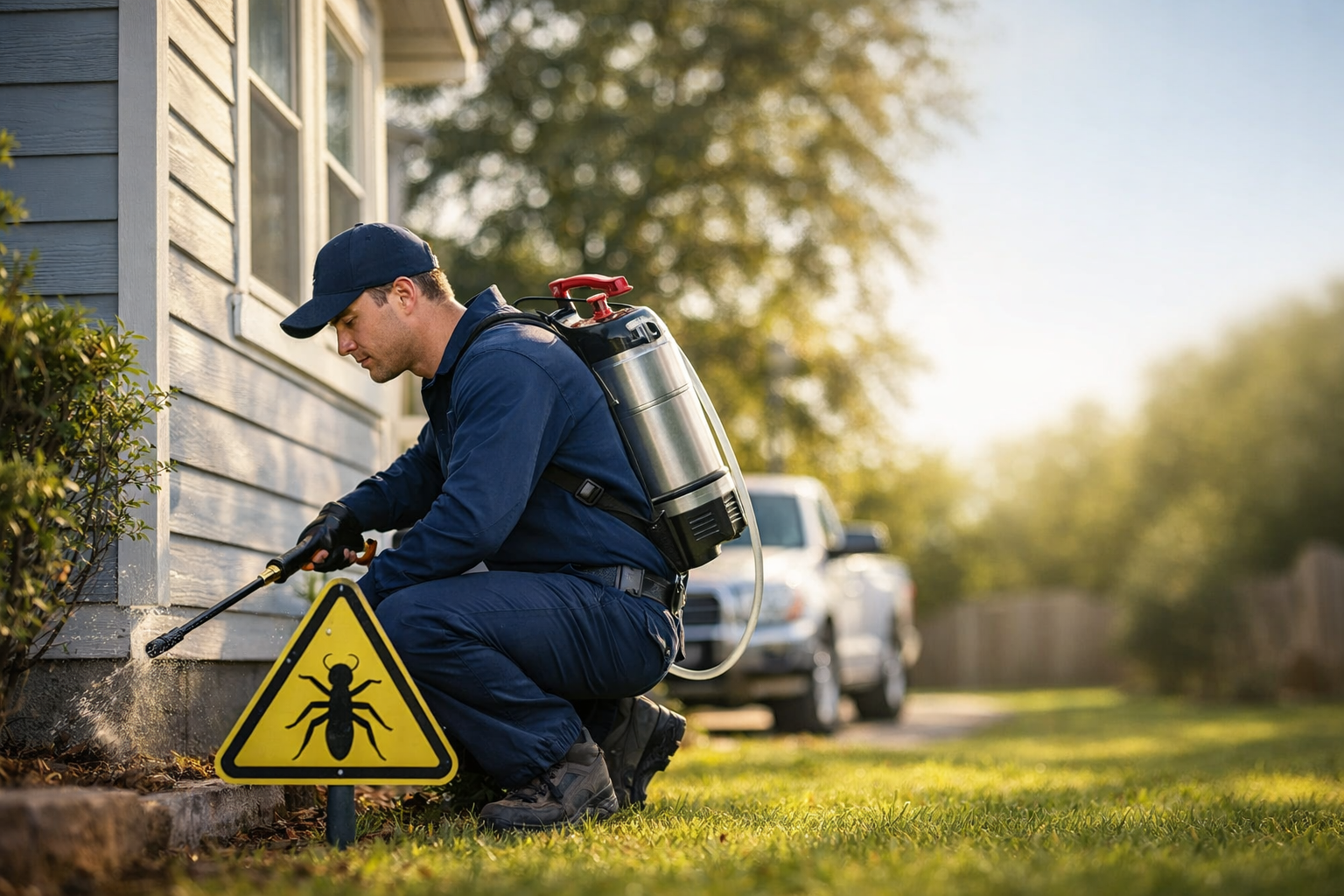
Rodent activity often connects outdoor access points with indoor shelter zones, which makes it useful to address both the building and the surrounding exterior areas on one focused page.
Helpful Focus Areas for Rodent Control
A strong rodent control page should talk about food areas, shelter zones, access points, structural gaps, and exterior conditions instead of repeating the keyword too often.
Food and Waste Areas
Pantries, food residue, pet food, trash zones, kitchens, and storage areas all matter when rodent concerns begin to build.
Shelter and Nesting Zones
Attics, crawl spaces, garages, storage rooms, cluttered corners, and less-used structural spaces can become major rodent concern areas.
Access Points and Gaps
Foundation openings, utility lines, vents, doors, gaps, and other structural edges are common routes people notice when rodent movement becomes more obvious.
Exterior Conditions
Foundations, sheds, yard edges, woodpiles, vegetation close to the structure, and outdoor storage zones may help explain why indoor sightings keep returning.
Helpful External Pest Information
These outside resources support general awareness while visitors continue through the ExtermiGuard location-based search flow.
EPA Pest Resources
For general pest-management and pesticide-safety information, review the U.S. Environmental Protection Agency pest resources.
CDC Healthy Homes
For broader healthy-home and living-environment information, the Centers for Disease Control and Prevention offers useful guidance.
Rodent Control FAQ
Quick answers to common questions about rodent activity, shelter zones, food areas, and how this page fits into the ExtermiGuard search path.
What does rodent control usually cover?
Is this page only for indoor rodent problems?
Do attics, basements, and kitchens matter most?
Does this page connect to related pest pages too?
Can visitors return to the homepage ZIP search from here?
What page should come next after this one?
Ready to Return to the Homepage ZIP Search?
If you want to move from rodent control into the main location-based search flow, jump to the homepage ZIP code section and start with your area first.