
Cricket Control
Cricket control focuses on house crickets and camel crickets that may show up in basements, crawlspaces, garages, utility spaces, entry areas, storage zones, and other quiet parts of a property.
This page follows the same ExtermiGuard style as the other pest pages while keeping the copy clean, structured, and SEO-friendly without keyword stuffing.
Cricket control questions often begin when people notice nighttime sounds, sudden sightings in lower-level spaces, or repeated movement in damp or low-traffic areas.
- Matches the homepage and pest-page style
- Strong basement and crawlspace relevance
- Clear path back to the ZIP search
- Related pest and service links included
Common Cricket Activity Areas
The homepage already describes cricket control as support for house crickets and camel crickets in basements, crawlspaces, garages, utility spaces, and entry areas, so this page follows that exact topic framing.
- Basements and lower-level rooms
- Crawlspaces and utility areas
- Garages and storage zones
- Entry edges and foundation areas
- Damp, quiet, and low-traffic spaces
On This Page
This page covers cricket control basics, common activity areas, why crickets show up indoors, helpful prevention topics, related ExtermiGuard pages, external resources, and common questions.
What Cricket Control Really Covers
Cricket control is a pest topic centered on crickets that gather or move through quiet interior and exterior transition areas, especially places with moisture, shelter, clutter, or lower human activity.
House and Camel Cricket Relevance
This page is built around the two cricket types your homepage already calls out directly, keeping the page aligned with the ExtermiGuard pest architecture.
Strong Lower-Level Intent
Cricket control often connects to basements, crawlspaces, utility rooms, garages, storage sections, and other parts of a structure that stay dark, quiet, or humid.
Good Standalone Pest Page
Because crickets have clear location patterns and recognizable behavior, this page can rank on its own while still linking cleanly to Occasional Invader Control, Silverfish Control, and General Pest Control.
Where Crickets Commonly Show Up
Cricket control often starts with lower-level and sheltered spaces, especially where moisture, clutter, or structural gaps make movement easier.
Basements
Basements are a common starting point for cricket control because they can provide shelter, lower light, moisture, and quiet conditions that support pest activity.
Crawlspaces
Crawlspaces can support cricket movement through damp conditions, limited disturbance, and easy access around foundations, vents, and structure gaps.
Garages
Garages often combine storage clutter, door gaps, perimeter access, and low-traffic edges that can make cricket sightings more noticeable.
Utility Spaces
Mechanical rooms, utility corners, and unfinished service areas can create the kind of quiet environment where crickets may gather or remain hidden.
Entry Areas
Doors, thresholds, foundation edges, and transition points between outside and inside can matter when crickets begin moving inward.
Storage Zones
Boxes, shelving areas, unfinished corners, and cluttered low-light spaces can add shelter and make activity harder to notice until it becomes repeated.
Why Cricket Control Can Change With Conditions
Cricket control is often tied to moisture, temperature, structural access, and shifting conditions around the outside of the property that push pest activity toward protected spaces.

Moisture and Shelter Matter
Search interest often increases when people begin noticing crickets in damp, quiet areas that offer shelter and less disturbance than the main living spaces.
Exterior and Lower-Level Attention
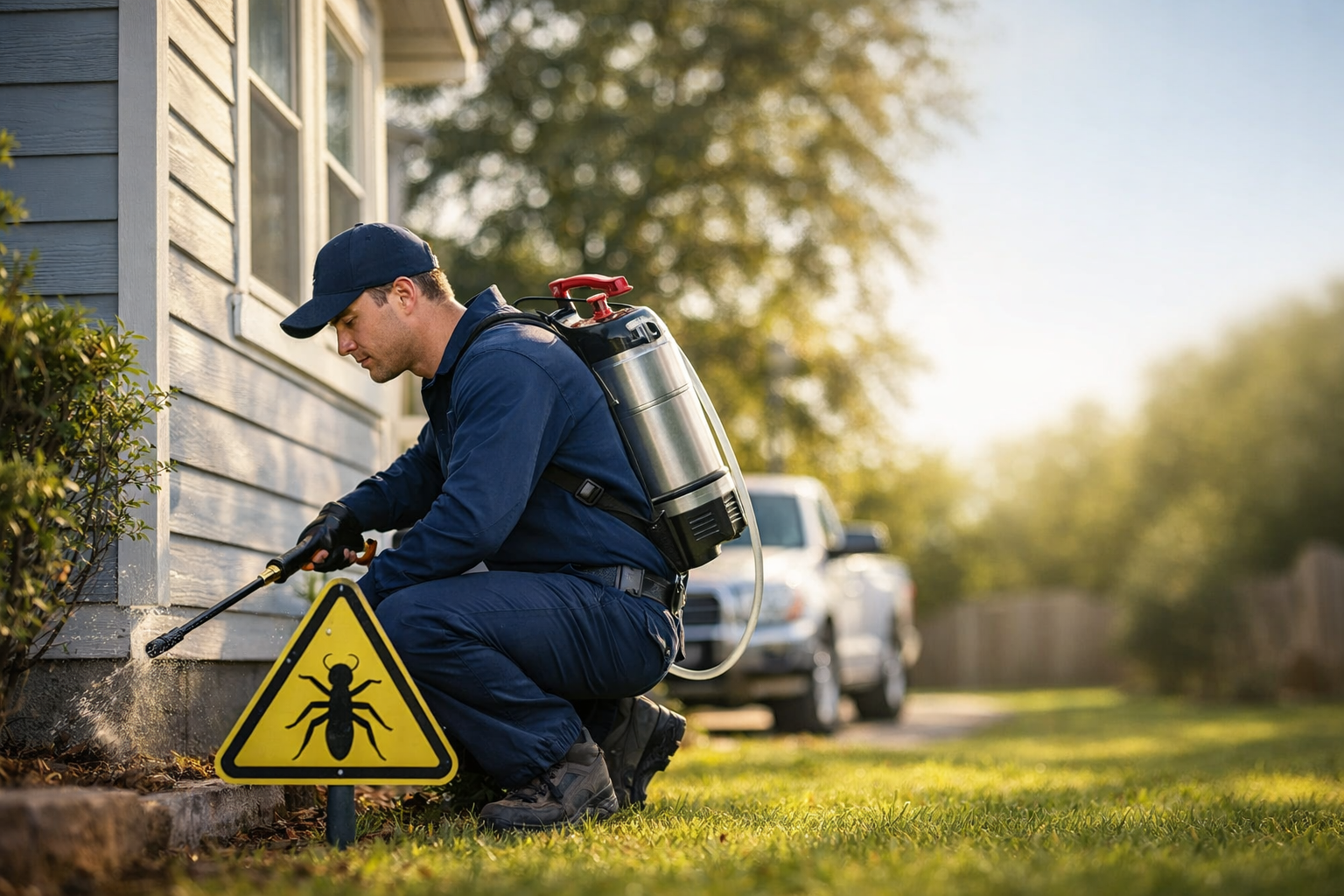
Cricket control is usually strongest when the focus includes both the outside edges of the structure and the lower-level places where activity is most likely to be found.
Helpful Attention Areas for Cricket Control
A strong cricket control page should talk about the environment around the structure, lower-level conditions, and entry opportunities instead of repeating the keyword too much.
Moisture Reduction
Damp basements, wet crawlspaces, and humid utility areas can make the property more attractive to crickets and other similar pests.
Foundation and Entry Gaps
Lower-level cracks, perimeter openings, garage edges, vents, and other access points can matter when cricket movement starts outdoors and continues inward.
Clutter and Storage Conditions
Dense storage, hidden corners, and neglected lower-level spaces can create shelter that supports repeated activity over time.
Perimeter Upkeep
Exterior maintenance, vegetation control, and better attention to structure edges can help reduce conditions that support nuisance pest pressure.
Helpful External Pest Information
These external resources support general pest awareness and home information while visitors continue through the ExtermiGuard search path.
EPA Pest Resources
For broad pest-management and pesticide-safety information, review the U.S. Environmental Protection Agency pest resources.
CDC Healthy Homes
For general home-environment information, the Centers for Disease Control and Prevention offers healthy-home guidance.
Cricket Control FAQ
Quick answers to common questions about crickets in basements, crawlspaces, garages, utility spaces, and other sheltered parts of a property.
What does cricket control usually focus on?
Why do crickets often show up in basements and crawlspaces?
Are garages and storage rooms common cricket areas?
Is cricket control related to occasional invader control?
Can this page connect back to the homepage ZIP search?
What page should I visit after this one?
Ready to Return to the Homepage ZIP Search?
If you want to move from cricket control back into the main area-based search flow, jump to the homepage ZIP code section and start with your location first.