
Occasional Invader Control
Occasional invader control focuses on nuisance pests that move inside through doors, foundations, windows, siding gaps, garage edges, utility penetrations, crawlspaces, and other exterior openings around a structure.
This occasional invader control page is designed to match the ExtermiGuard homepage style while helping visitors understand where this pest pressure starts, which pests are often involved, and which related service pages make the most sense next.
Many occasional invader control problems become more noticeable when outside conditions change and pests start seeking shelter, warmth, drier voids, or protected interior edges.
- Matches the homepage look and feel
- Strong internal linking without stuffing
- Clear path back to the ZIP code search
- Useful seasonal and property guidance
Start With Area First
The homepage is built around ZIP code search, so visitors who want local help can jump back and start there before narrowing down the pest topic.
- Doors, thresholds, and garage edges
- Windows, trim gaps, and screens
- Foundations, siding lines, and vents
- Basements, crawlspaces, and utility openings
- Seasonal pest movement around structures
On This Page
This page covers occasional invader control basics, common entry points, pest types, seasonal patterns, helpful prevention topics, external resources, and answers to common questions.
What Occasional Invader Control Really Covers
Occasional invader control is not just about one pest. It is a broader nuisance-pest topic covering insects and similar invaders that move indoors through small openings and transition areas around the exterior of the property.
Exterior-to-Interior Movement
Occasional invader control usually starts with pests that build up outdoors, then move inside through thresholds, gaps, trim lines, or building penetrations when conditions push them inward.
Not Limited to Homes
Homes, rentals, apartment buildings, offices, retail locations, warehouses, and other commercial properties can all need occasional invader control when nuisance pests begin entering around structure edges.
Best as a Starting Category
If someone knows pests are getting inside but is not yet sure which pest is involved, occasional invader control can be the right starting page before narrowing down to a more specific pest topic.
Where Occasional Invaders Commonly Show Up
Occasional invader control often begins with a close look at the structure shell. These pests are commonly first noticed around the outside of the building and then in nearby interior areas.
Windows and Frames
Window trim, screen edges, sill gaps, and caulk failure can all create small access points that support repeat occasional invader control concerns.
Foundations and Siding
Cracks, expansion joints, siding transitions, utility penetrations, and lower structure gaps can become important attention areas when nuisance pests begin moving inward.
Garages and Doorways
Garage door edges, side entries, weatherstripping wear, and low threshold gaps are some of the most common locations tied to occasional invader control needs.
Basements and Crawlspaces
Lower-level spaces can hold moisture, clutter, and entry opportunities that help nuisance pests move from the exterior into protected parts of the structure.
Utility Openings
Pipes, cables, conduit lines, and mechanical penetrations can leave small unfinished gaps that matter more than many owners realize.
Attics and Wall Voids
After pests get past the exterior shell, they may show up in quiet void areas, storage spaces, unfinished edges, or other hidden sections of the property.
Pests Often Linked to Occasional Invader Control
This page links naturally into related pest topics so visitors can move from a broad nuisance-pest issue into the most relevant next page.
Stink Bugs
Stink bugs are a strong match for occasional invader control because they often gather around siding gaps, attic areas, window zones, and wall voids during seasonal shifts.
Crickets
Crickets can become part of an occasional invader control issue when garages, basements, crawlspaces, and damp lower-level areas provide access and shelter.
Silverfish
Silverfish often appear in humid interior spaces and can overlap with broader occasional invader control questions when moisture and hidden voids are involved.
Spiders
Spiders are commonly noticed around garages, basements, corners, exterior lighting zones, and sheltered perimeter spaces that also matter in occasional invader control.
Ants
Some ant activity starts outdoors and then expands through foundation edges, trim lines, entry gaps, kitchens, and wall voids, making ants a useful related topic.
General Pest Issues
When the exact pest is still unknown, broader pages can help a visitor move from occasional invader control into the most relevant next step without confusion.
Helpful Property Attention Areas for Occasional Invader Control
Good occasional invader control content should talk about the structure, not just the pest. Entry reduction, moisture attention, and exterior upkeep all matter when nuisance pests keep showing up.
Door Seals and Thresholds
Loose sweeps, worn weatherstripping, and low-level gaps can leave easy paths indoors, especially near heavily used entries and garage access points.
Window and Trim Condition
Frame gaps, cracked caulk, loose trim, and aging screens can support repeat interior sightings around rooms that face high exterior activity.
Moisture and Drainage
Damp foundation zones, wet lower levels, or poor drainage can make the exterior edge of the property more attractive to nuisance pests over time.
Perimeter Maintenance
Vegetation touching the structure, clutter near the foundation, stacked materials, and unmaintained edge conditions can all increase pressure near entry points.
Why Occasional Invader Control Often Feels Seasonal
Many nuisance-pest issues grow more noticeable during weather shifts, especially when pests begin moving from exterior surfaces and sheltered outdoor areas toward protected indoor spaces.

Fall and Temperature Change
As conditions shift outdoors, occasional invader control concerns often increase around siding lines, attics, foundations, garages, windows, and sheltered void spaces where pests can transition inward.
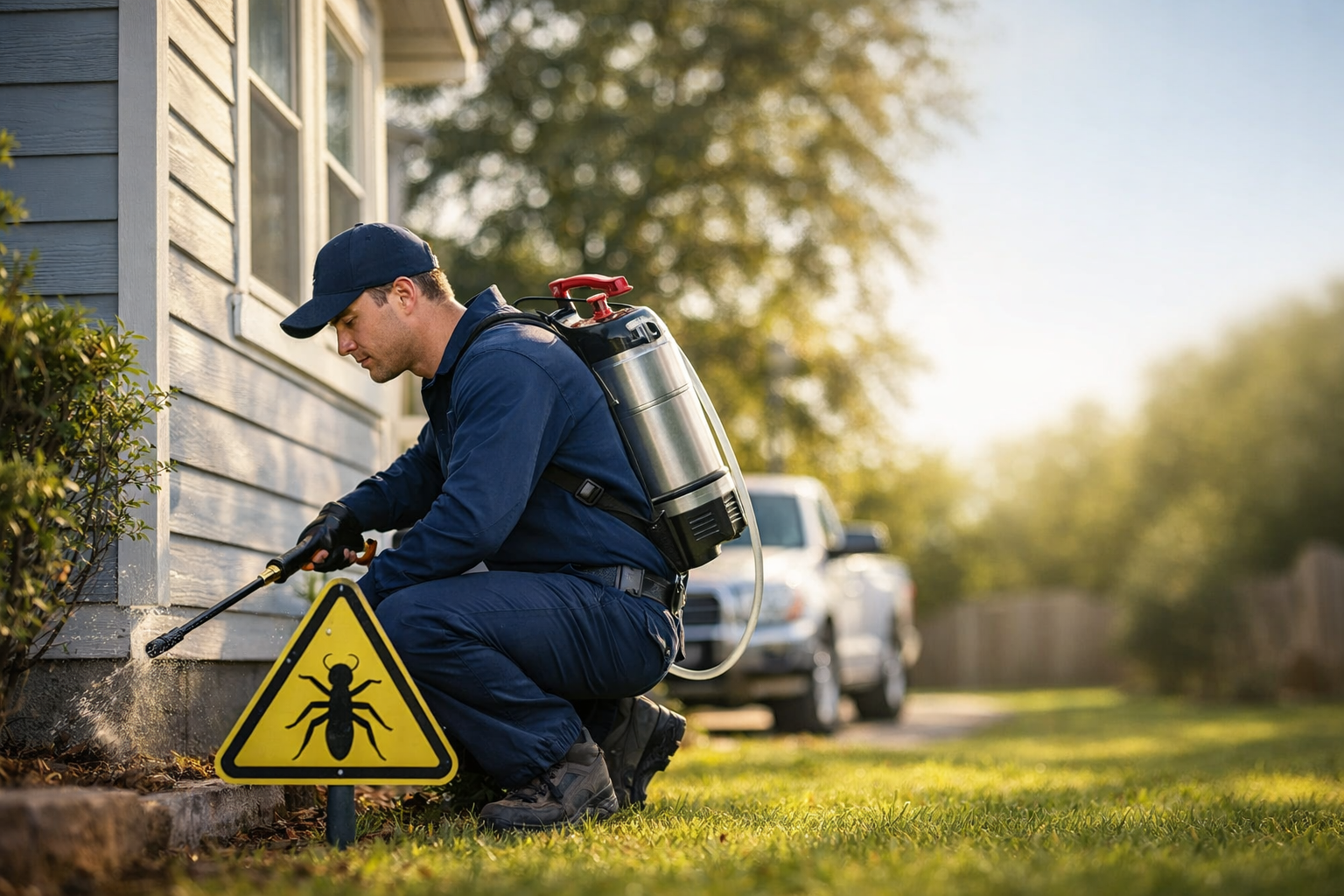
Exterior Inspection Comes First
Occasional invader control usually makes the most sense when the property is looked at from the outside in, with attention to edges, gaps, lower-level vulnerabilities, and common transition points.
Helpful External Pest Information
These external resources can help support general pest awareness, pest identification, and safe home information while visitors continue through the ExtermiGuard search path.
EPA Pest Information
For broad pest-management and pesticide-safety information, review the U.S. Environmental Protection Agency pest resources.
CDC Healthy Home Guidance
For general public-health and home-environment information, the Centers for Disease Control and Prevention offers helpful healthy-home guidance.
Occasional Invader Control FAQ
Quick answers to common questions about occasional invader control, nuisance pest movement, seasonal structure entry, and the best next page to visit.
What is occasional invader control?
Where do occasional invaders usually get in?
Is occasional invader control mainly a fall issue?
What pests are often tied to occasional invader control?
Can this affect businesses as well as homes?
How do I get back to the homepage ZIP section?
Ready to Return to the Homepage ZIP Search?
If you want to move from occasional invader control back into the main area-based search flow, jump to the homepage ZIP code section and start with your location first.