
Stink Bug Control Near Me
Search Stink Bug Control by service ZIP code when brown marmorated stink bugs or similar overwintering insects are gathering on sunny exterior walls, entering around windows and doors, hiding in attics and wall voids, or appearing indoors during fall, winter, and early spring.

- Late summer and fall: adults gather on warm exterior surfaces and search for protected overwintering sites inside buildings.
- Winter: insects remain hidden in attics, wall voids, trim gaps, furniture voids, and other sheltered spaces but may become active on warm days.
- Spring: overwintered adults emerge and move back outside, often appearing near windows, lights, ceilings, doors, and sunny rooms before leaving the structure.
Stink Bug Control Should Confirm Whether Brown Marmorated Stink Bugs Are Entering the Building
Stink Bug Control is often requested for the brown marmorated stink bug, an invasive shield-shaped insect now found across much of the United States. EPA describes adults as mottled brown with alternating light and dark bands along the abdominal edge and antennae. Other stink bugs and occasional invaders can look similar, so identification is useful before a treatment plan is chosen.
Shield-Shaped Adult
Brown marmorated stink bug adults are roughly dime-sized, mottled brown, and broad across the shoulders. Alternating pale and dark markings along the body edge and antennae are useful identification clues.
Odor When Disturbed
Stink bugs use defensive scent glands. Crushing, squeezing, or heavily disturbing them can produce the familiar strong odor, which is one reason physical removal methods should minimize smashing the insects.
Nuisance Inside Buildings
EPA and Penn State note that brown marmorated stink bugs do not reproduce indoors and do not damage the structure. The main building problem is the number of adults entering and later emerging from hidden overwintering spaces.
Different From Crop Damage
Outside, brown marmorated stink bugs feed on many plants and can be serious agricultural pests. Residential Stink Bug Control for insects overwintering in a home or office is different from managing crop-feeding populations.
Stink Bug Control Is Most Effective Before Large Numbers Finish Entering for Winter
Stink Bug Control changes with the season. Penn State reports that adults begin seeking overwintering sites in fall, often gathering on warm exterior surfaces before entering buildings. Once large numbers are hidden in wall voids or attics, exterior treatment cannot remove insects already inside those concealed spaces.
Late Summer
Begin checking screens, soffits, fascia, utility penetrations, siding, attic vents, chimney openings, door sweeps, window frames, garage doors, and foundation gaps before cool nights trigger heavy building-seeking behavior.
Fall Congregation
Warm sunny walls can hold many adults during the fall entry period. South- and west-facing surfaces, upper stories, rooflines, windows, siding transitions, utility openings, and nearby vegetation may show concentrated activity.
Winter Overwintering
Stink bugs may remain hidden in attics, wall voids, trim gaps, bookcases, furniture voids, behind baseboards, or other protected spaces. Warm indoor conditions or sunny winter days can cause some insects to become active.
Spring Emergence
As temperatures rise, overwintered adults move toward light and warmth and may appear around windows, ceiling fixtures, doors, upper floors, and sunny rooms while trying to exit the building.
EPA states that aerosol and fogger insecticides labeled for domestic stink bugs may kill insects exposed in living areas, but they do not stop more bugs from emerging later from hidden cracks after the spray dries. Long-term Stink Bug Control depends much more on preventing entry and correcting openings than repeatedly treating individual indoor insects.
Stink Bug Control Should Focus on Sealing Windows, Doors, Siding, Vents, and Utility Openings
Stink Bug Control is one of the pest problems where building exclusion can make a major difference. EPA and Penn State both identify mechanical exclusion as a primary strategy for keeping brown marmorated stink bugs out of homes and buildings.
1. Inspect doors and windows.
Look for damaged screens, gaps around frames, worn weather stripping, missing door sweeps, garage-door gaps, window-air-conditioner openings, and daylight visible around doors.
2. Inspect siding, soffits, fascia, and roofline transitions.
Check corners, trim, flashing transitions, siding joints, soffit gaps, fascia, attic vents, roof edges, chimneys, exhaust openings, and where different building materials meet.
3. Seal utility and foundation openings.
Inspect plumbing, electrical, cable, HVAC, conduit, foundation cracks, crawlspace entries, pipe penetrations, meter lines, dryer vents, and other openings leading into wall or ceiling voids.
4. Correct the highest-pressure areas first.
Document where stink bugs gather outside and where they appear inside. Matching exterior congregation areas to interior emergence points can help prioritize exclusion instead of sealing randomly.
A Stink Bug Control Search Should Match the Season and Where the Bugs Are Found
Stink Bug Control is most useful when the provider knows whether the insects are currently outside gathering on the building, already emerging indoors, hidden in an attic, affecting multiple apartments, or creating a problem at a commercial facility.
Enter the Service ZIP Code
Use the ZIP code for the property where the stink bugs are active. Seasonal timing, local populations, weather, provider availability, and treatment options can differ by region.
Describe Where They Appear
Note exterior walls, windows, doors, upper floors, attic, ceiling lights, baseboards, bedrooms, offices, warehouses, sunny rooms, siding, chimneys, garages, or other areas where insects gather or emerge.
Inspect Entry Points
Ask whether the provider evaluates exterior gaps and can identify exclusion priorities. Pesticide treatment without entry-point correction can leave the same structural routes available during future fall seasons.
Compare the Complete Plan
Confirm insect identification, inspection scope, exclusion recommendations, exterior treatment timing, label restrictions, interior removal, number of visits, warranty, total price, renewal, and cancellation.
Stink Bug Control Indoors Usually Means Removing Bugs Without Creating More Odor
Stink Bug Control after the insects are already indoors is different from preventing fall entry. EPA and Penn State both recommend vacuuming live or dead brown marmorated stink bugs, while warning that the vacuum can retain the odor. For recurring indoor emergence, the larger question is where insects entered and which concealed voids are releasing them.
Vacuuming
Vacuuming is a practical way to remove insects from windows, walls, floors, curtains, furniture, and other accessible indoor locations. A disposable bag, dedicated shop vacuum, or immediate emptying may reduce how long the odor remains in household equipment.
Avoid Crushing When Possible
Stink bugs release defensive odor when disturbed or crushed. Smashing large numbers on walls, curtains, furniture, or painted surfaces can create odor and cleanup problems that are unnecessary for a nuisance insect.
Track Emergence Points
Repeated bugs near one window, ceiling fixture, exhaust fan, baseboard, attic access, or upper-story room can provide clues about hidden voids and exterior entry routes that deserve inspection before the next fall season.
Stink Bug Control for Homes, Apartments, Offices, Warehouses, and Other Buildings
Stink Bug Control can become a larger operational issue when many insects enter multi-unit, commercial, storage, vehicle, or distribution facilities. The underlying biology is similar, but access, building height, exterior surface area, inventory, loading activity, and customer exposure can change the plan.
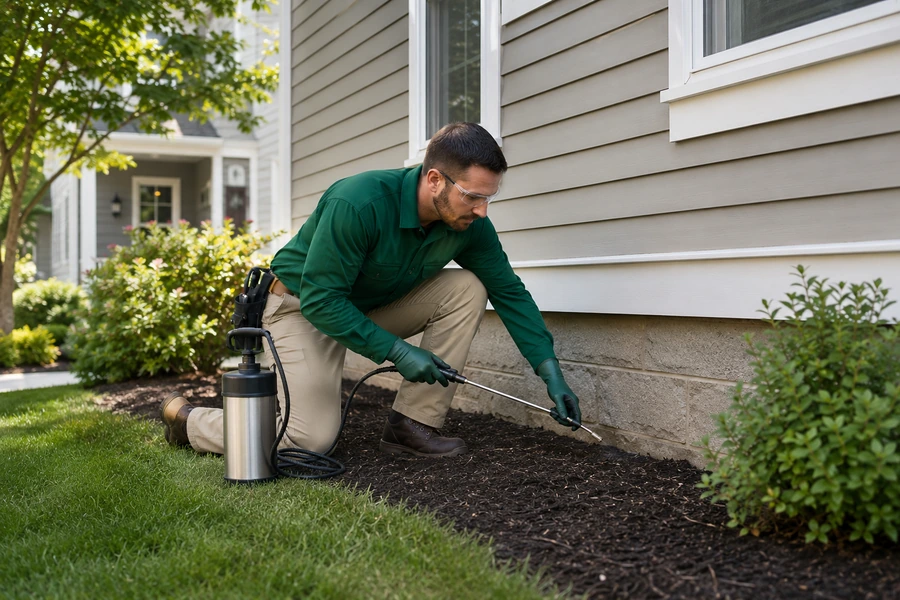
Homes, Condos, and Rentals
Attics, upper windows, siding, chimneys, crawlspaces, garages, porches, door frames, vents, soffits, sunrooms, additions, and utility penetrations are common areas to review when stink bugs appear seasonally.
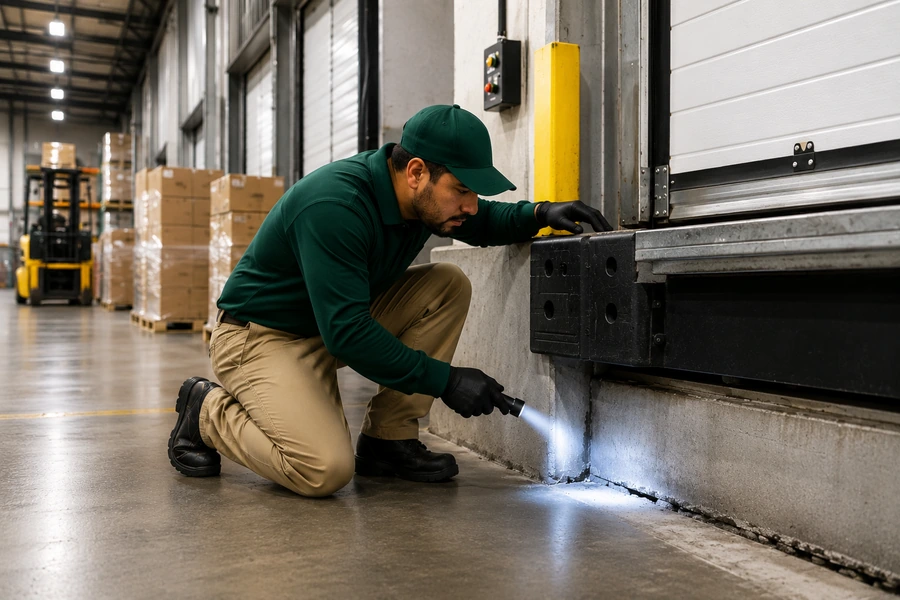
Warehouses and Commercial Buildings
Large exterior walls, loading doors, dock areas, high ceilings, rooflines, utility penetrations, stored goods, vehicles, overhead doors, exterior lighting, and repeated shipping activity can complicate exclusion and removal.
Apartments and Managed Facilities
Shared walls, multiple rooflines, tenant reports, common attics, utility chases, exterior siding systems, upper-floor windows, maintenance access, and differing unit conditions can make building-wide entry patterns more important than one apartment complaint.
Stink Bug Control May Combine Exclusion, Timed Exterior Treatment, and Indoor Removal
Stink Bug Control should fit where the insects are in their seasonal cycle. Exclusion is the strongest long-term tool, while a provider may also recommend a label-approved exterior treatment during fall congregation. Indoor removal addresses insects already inside but does not prevent future entry by itself.
| Control Method | Best Use | Limits and Questions |
|---|---|---|
| Mechanical exclusion | Preventing stink bugs from entering through windows, doors, siding, soffits, vents, chimneys, utility penetrations, foundation cracks, and other structural gaps. | Which gaps are active entry points? Can they be sealed safely without blocking required ventilation, drainage, or equipment access? |
| Exterior pesticide treatment | Reducing adults gathering on or moving across label-approved exterior structural areas during the fall entry period. | What product is labeled for the site and pest? What surfaces can legally be treated? How long is the expected residual under sun and weather? |
| Indoor vacuum removal | Removing accessible stink bugs that have already entered living, office, storage, or work areas. | How will odor be managed, and is repeated emergence pointing to an unsealed exterior route or hidden overwintering void? |
| Interior aerosol or fogger | May kill exposed bugs when the product is specifically labeled for that use. | EPA states this does not provide long-term control because additional bugs can continue emerging from hidden cracks after residues dry. |
| Landscape and exterior review | Understanding vegetation, debris, sunny walls, nearby host plants, exterior congregation zones, and pressure around the structure. | Which conditions are associated with building pressure, and which recommended changes are practical without overstating their effect? |
Stink Bug Control Should Include Timing, Exclusion, Product, and Warranty Questions
Before approving Stink Bug Control, make sure the proposal explains whether the provider is treating active fall congregation, inspecting structural entry points, removing indoor insects, or building a prevention plan for the next season.
Identification
Ask whether the insects are brown marmorated stink bugs or another occasional invader. Identification affects the biology, timing, treatment label, and whether agricultural or building nuisance guidance is relevant.
Exclusion Scope
Confirm whether sealing work is included, quoted separately, limited to accessible gaps, or simply recommended to the property owner or contractor. Ask which openings appear most important.
Exterior Treatment
If pesticide service is proposed, ask for the treated surfaces, timing, product, label precautions, weather limits, pets and occupants, windows and doors, expected residual, and whether repeat service could be needed.
Price and Follow-Up
Confirm inspection fee, treatment price, exclusion work, number of visits, seasonal limitations, callback policy, what the warranty covers, total price, renewal, and cancellation terms.
Stink Bug Control Can Reduce Building Entry Without Promising Every Hidden Bug Will Disappear Immediately
Stink Bug Control expectations should match the biology of an overwintering insect. If hundreds of adults entered wall voids before a building was sealed or treated, some may continue appearing indoors during warm winter days or spring emergence even after exterior corrections are completed.
Existing Bugs Can Continue Emerging
Exclusion prevents future entry but does not instantly remove insects already hidden inside walls, attics, trim gaps, or other voids. The remaining adults may gradually emerge and be removed.
Weather Affects Activity
Warm sunny fall days can increase exterior congregation, while warm winter or spring conditions can stimulate hidden adults to move. A sudden increase in indoor sightings does not necessarily mean stink bugs reproduced inside.
Prevention Is Seasonal Maintenance
Screens, caulk, door sweeps, siding repairs, attic vents, utility seals, chimney caps, weather stripping, and other exclusion materials can deteriorate. Annual late-summer inspection can help identify new gaps before fall entry begins.
Stink Bug Control Resources for Identification, Exclusion, Seasonal Entry, and Pesticide Use
These independent resources support important Stink Bug Control topics including brown marmorated stink bug identification, fall overwintering behavior, structural exclusion, vacuum removal, exterior pesticide limitations, and responsible pest-control treatment.
EPA: Brown Marmorated Stink Bug
Current EPA guidance on identification, fall entry, overwintering indoors, exclusion, vacuum removal, residential treatment limitations, and agricultural concerns.
Visit EPA →Penn State: Brown Marmorated Stink Bug
Updated Extension guidance on seasonal biology, home entry, exclusion, exterior treatment timing, interior emergence, vacuuming, and structural nuisance activity.
Visit Penn State Extension →EPA: Pest Control for Residents
General EPA guidance on reducing food, water and shelter, sealing pest entryways, and using pesticides responsibly and according to label directions.
Read EPA Resident Guidance →EPA: Selecting a Pest-Control Service
EPA consumer guidance on credentials, proposed treatments, pesticides, precautions, costs, guarantees, service contracts, and choosing a pest-control company.
Visit EPA Provider Guidance →Questions About Stink Bug Control, Fall Entry, Spraying, Odor, and Cost
These answers explain common Stink Bug Control questions without promising that one spray will eliminate insects already hidden inside a structure or that every shield-shaped bug is a brown marmorated stink bug.
How do I find Stink Bug Control near me?
Enter the service ZIP code for the property, then describe whether stink bugs are gathering outside or appearing indoors, the time of year, approximate numbers, exterior wall or window locations, attic or upper-floor activity, building type, previous treatments, and any known gaps or damaged screens.
Why are stink bugs coming into my house?
Adult brown marmorated stink bugs seek protected sites in fall where they can overwinter. They can enter through cracks around windows, doors, siding, utility lines, soffits, attic vents, chimneys, crawlspace openings, foundation gaps, and other small exterior openings.
Do stink bugs reproduce inside houses?
Brown marmorated stink bugs do not reproduce inside buildings and do not cause structural damage. Adults enter to overwinter, remain sheltered during cold periods, and later emerge on warm winter days or in spring as they attempt to move outside.
What is the best long-term Stink Bug Control?
Mechanical exclusion is the strongest long-term building strategy. EPA and Penn State recommend sealing cracks and gaps, weather stripping doors, repairing screens, securing crawlspace and utility openings, and correcting other exterior entry points before fall congregation is complete.
Will spraying inside get rid of stink bugs?
It may kill exposed insects if the pesticide is labeled for that site and pest, but EPA states that aerosol and fogger applications do not provide long-term management because additional stink bugs can continue emerging from concealed cracks after the treatment residue dries.
Can I vacuum stink bugs?
Yes. EPA and Penn State both recommend vacuuming accessible live or dead stink bugs. The vacuum may temporarily smell because of the insects’ defensive odor. Avoid crushing large numbers when practical.
When is the best time for professional Stink Bug Control?
For preventing fall entry, inspection and exclusion should begin before or during late-summer and early-fall congregation. If a provider recommends an exterior pesticide treatment, timing is often most useful before large numbers have completed entry. Product label, weather, region, and local pest pressure control the actual timing.
How much does Stink Bug Control cost?
Cost varies by building size, height, siding, rooflines, attic access, number of windows and doors, exterior gaps, current pest pressure, exclusion work, treatment area, equipment, number of visits, commercial access, travel, warranty, and whether the request involves only removal or a broader prevention program.
Does ExtermiGuard perform Stink Bug Control?
No. ExtermiGuard is a search and connection platform. Independent providers control identification, inspection, availability, exclusion, pesticide use, treatment, pricing, safety instructions, warranties, agreements, billing, and customer support.
Start Your Stink Bug Control Search by ZIP Code
Enter the property ZIP code, then describe when stink bugs appear, whether they are outside or indoors, exterior congregation areas, windows, doors, siding, attic or wall-void activity, building height, damaged screens, utility openings, previous treatments, and seasonal timing. Confirm identification, exclusion scope, treatment timing, pesticide precautions, follow-up, total price, warranty, and written terms directly with the provider.