
Apartment Pest Control Near Me — Search by ZIP Code
Searching for apartment pest control near me? Start with the ZIP code for the building, then compare pest control for apartments using the unit, pest evidence, adjoining activity, common areas, access, preparation, follow-up, and building conditions.
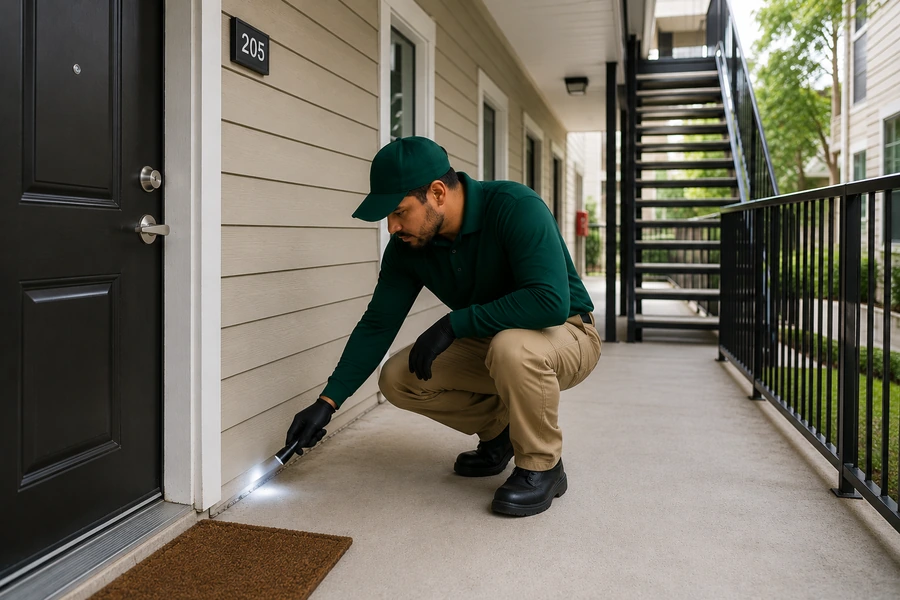
- Unit number and rooms affected
- Shared walls and utility openings
- Neighboring or common-area activity
- Management access and resident preparation
Pest Control for Apartments Requires Unit and Building Coordination
Effective pest control for apartments can require more than checking one room. Shared walls, plumbing, utility openings, hallways, basements, laundry rooms, trash areas, storage spaces, and adjoining units can affect where pests are found and what needs to be inspected.
Use the Building ZIP Code
Enter the ZIP code for the apartment property where activity is happening, not an unrelated billing, management-office, or mailing ZIP code.
Describe the Evidence
Report sightings, droppings, spotting, shed skins, egg cases, gnawing, noises, trails, odors, nests, damage, bites, or photos when safe.
Identify Shared Areas
Note activity near plumbing, electrical penetrations, halls, laundry, trash, basements, storage, garages, stairwells, balconies, or exterior walls.
Report It Promptly
Written dates, locations, photos, management communication, access attempts, preparation, and post-service activity can make follow-up clearer.
Apartment Pest Control Works Best With Resident and Management Coordination
A useful apartment pest-control search combines what residents observe inside the unit with what management knows about the building, maintenance, access, common areas, and neighboring complaints.
Residents and Tenants
Residents can help by reporting accurate evidence, preserving useful signs, following written preparation instructions, providing access as arranged, and documenting activity before and after service.
- Report the exact unit, rooms, dates, and locations where activity was observed.
- Provide photos or a safely contained sample when appropriate.
- Disclose pets, aquariums, children, sensitivities, prior products, and access limits.
- Complete only the preparation steps supplied for that pest and visit.
- Avoid moving potentially infested belongings through hallways or other units without guidance.
Landlords and Property Managers
Management can coordinate complaint records, unit access, adjoining-area evaluation, maintenance conditions, resident instructions, common-area inspection, service documentation, and follow-up.
- Track reports by building, floor, unit, date, pest evidence, and response status.
- Provide access to units, basements, utility areas, trash rooms, laundry, and storage when needed.
- Coordinate resident notices, preparation, missed-access procedures, and follow-up appointments.
- Address leaks, gaps, door sweeps, damaged screens, waste handling, sanitation, and structural conditions.
- Keep service reports, corrective actions, photos, device records, and recurring trends.
Multifamily Pest Control May Need to Look Beyond the First Reported Unit
The provider’s inspection should determine the actual multifamily pest control scope. These building paths are common areas to discuss when activity appears to move, return, or affect more than one unit.
Inside the Unit
Kitchens, bathrooms, bedrooms, closets, cabinets, appliances, furniture, baseboards, windows, balconies, and utility penetrations.
Shared Plumbing and Utilities
Pipes, drains, chases, wall voids, electrical openings, heating lines, utility closets, cable penetrations, and mechanical rooms.
Adjoining Units
Units beside, above, or below the complaint area may need evaluation depending on the pest, evidence, construction, and provider findings.
Common and Exterior Areas
Trash rooms, dumpsters, laundry, halls, basements, storage, garages, entry doors, foundations, landscaping, rooflines, and outdoor lighting.
Prepare the Right Details for an Apartment Exterminator or Pest-Control Provider
Accurate information can help an apartment exterminator or pest-control provider decide which rooms, units, shared areas, and access arrangements may need attention before recommending service.
Identify the exact unit and affected areas.
List the building, unit, floor, rooms, cabinets, appliances, walls, furniture, balconies, or common areas where evidence was found.
Describe when and how often activity occurs.
Note dates, time of day, frequency, pest movement, noises, odors, bites, damage, and whether the activity is increasing or spreading.
Share prior service and product information.
List sprays, foggers, baits, traps, powders, cleaning, repairs, landlord service, or professional treatment already attempted.
Confirm access and resident needs.
Discuss keys, notices, pets, aquariums, children, mobility limitations, language needs, restricted rooms, work schedules, and preparation time.
Choose the Pest Before Scheduling Apartment Pest Control
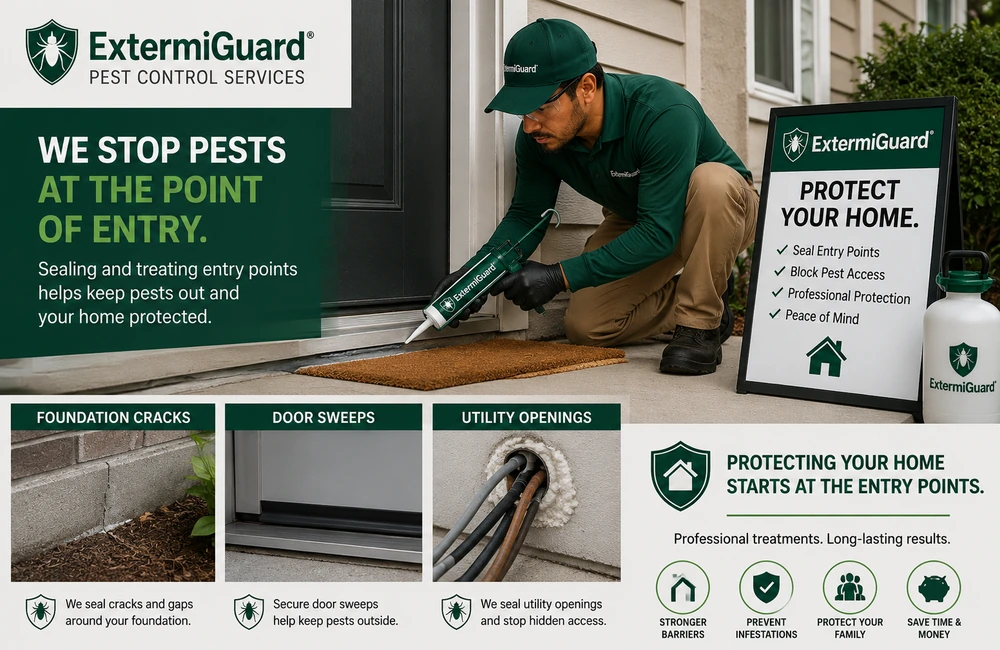
Use a pest-specific page when the concern is reasonably identified. When identification is uncertain, begin with an inspection rather than assuming every insect, bite, dropping, noise, or stain has the same source.
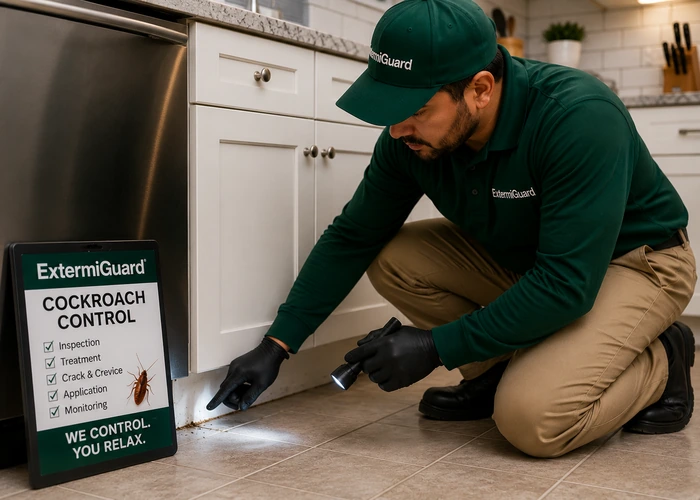 CockroachesKitchens, bathrooms, plumbing lines, appliances, cabinets, adjoining units, and food or moisture conditions can all matter.
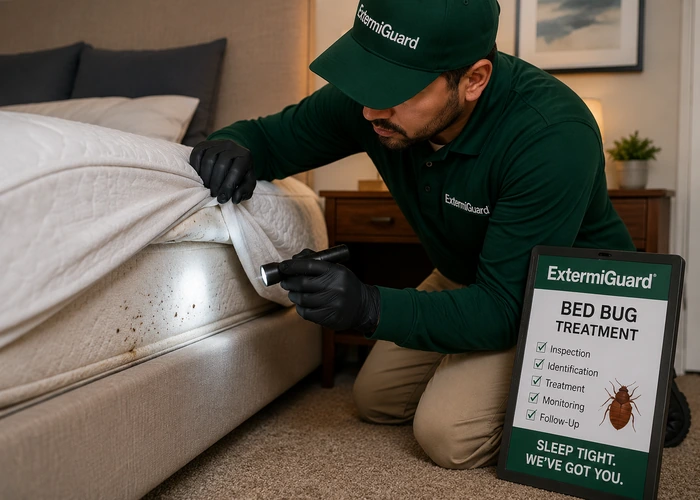 Bed BugsSleeping areas, furniture, preparation, laundry, adjoining units, resident cooperation, inspection, and follow-up may be involved.
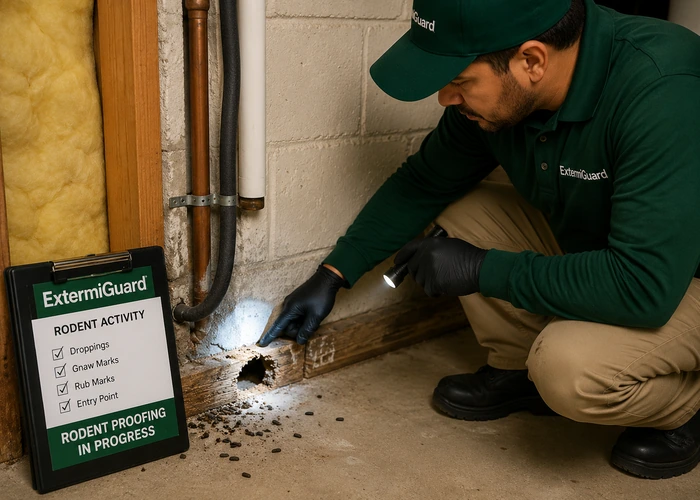 Mice and RatsShared walls, utility openings, basements, trash rooms, food storage, exterior gaps, and building-wide entry points can support activity.
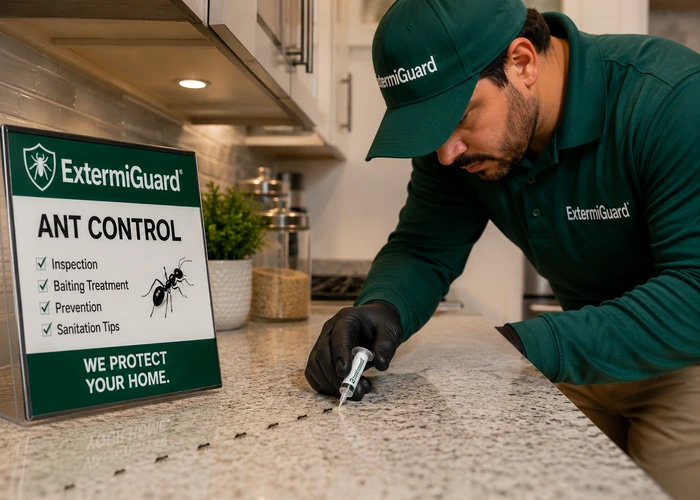 AntsTrails may cross units, windows, plumbing, exterior walls, foundations, balconies, and moisture areas before the source is located.
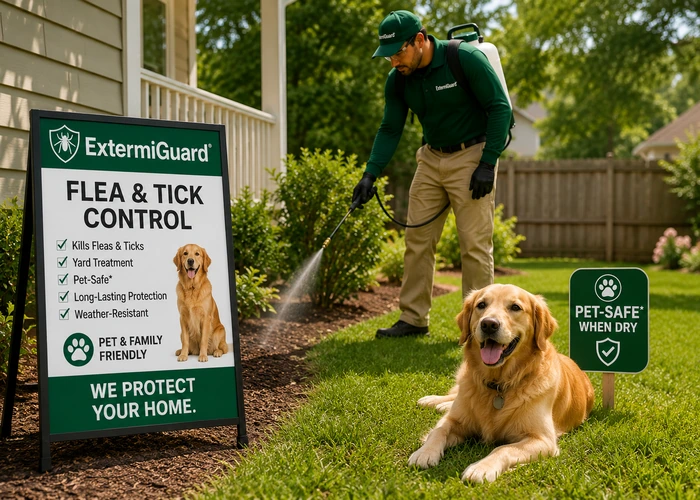 FleasPets, carpeting, furniture, laundry, vacant units, shared hallways, wildlife exposure, and repeat treatment can affect the plan.
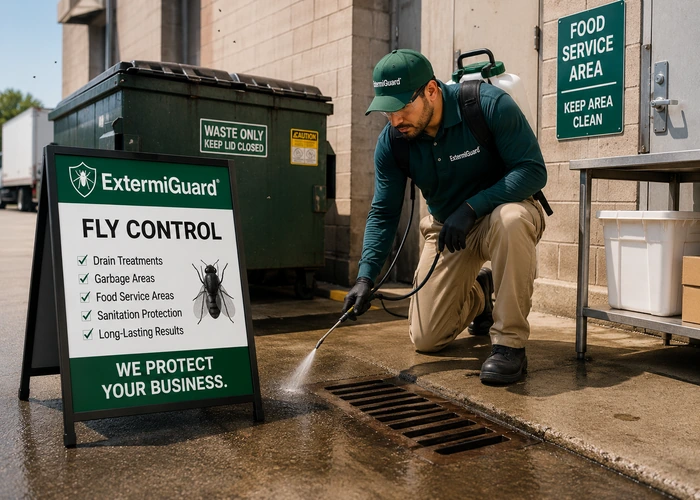 FliesDrains, trash rooms, dumpsters, recycling, food residue, moisture, windows, and common areas may need to be checked.
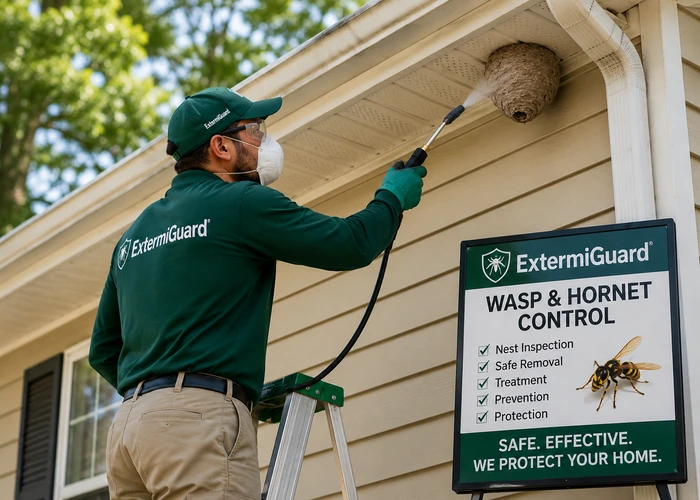 Wasps and HornetsBalconies, eaves, siding gaps, rooflines, entry doors, playgrounds, walkways, and shared outdoor areas can create exposure.
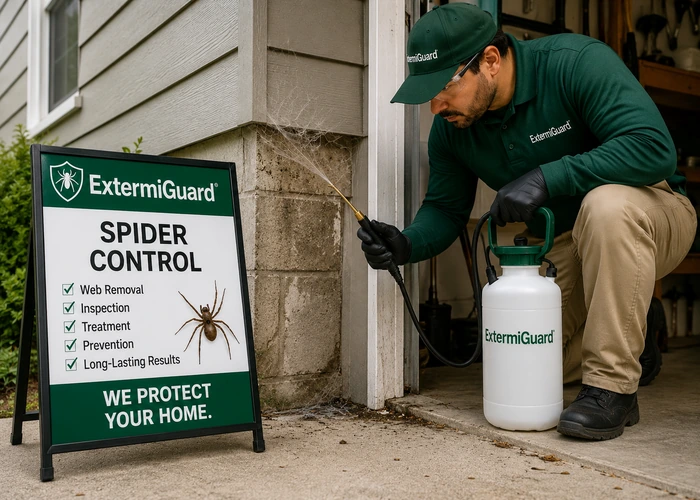 SpidersBasements, storage rooms, garages, windows, exterior lighting, utility areas, clutter, and other insect activity can influence sightings.
Apartment Pest-Control Preparation Should Match the Provider’s Written Plan
Preparation depends on the pest, building conditions, occupants, and provider plan. Do not empty an apartment, move furniture, discard belongings, launder everything, spray, fog, or seal openings without instructions specific to the inspection or treatment.
Request Written Instructions
Confirm what must be moved, cleaned, covered, laundered, bagged, removed, left accessible, or kept undisturbed before the appointment.
Discuss People and Pets
Tell the provider about children, pregnant occupants, pets, birds, reptiles, aquariums, service animals, sensitivities, and mobility concerns.
Confirm Unit Access
Verify the date, arrival window, keys, locks, notices, adult presence, restricted areas, alarms, parking, gates, and missed-access procedure.
Avoid Spreading Belongings
Do not move potentially infested furniture, bedding, boxes, clothing, or appliances through hallways, vehicles, storage, or another unit without guidance.
Preserve Useful Evidence
Photograph or safely retain insects, spotting, droppings, egg cases, shed skins, nesting material, or damage when doing so does not create a hazard.
Plan for Follow-Up
Ask what activity may continue temporarily, what should not be disturbed, when the next visit occurs, and when renewed activity should be reported.
Who Is Responsible for Pest Control in an Apartment?
Responsibility for pest control in an apartment can depend on lease terms, property conditions, reporting history, the cause and location of activity, the number of units affected, and state or local law. ExtermiGuard does not decide disputes or provide legal advice.
What a Multifamily Pest Control Program May Track
For building-wide multifamily pest control, consistent records can help management and the servicing provider understand repeated complaints, missed access, common conditions, and whether activity is changing over time.
Complaint Records
Building, unit, date, pest evidence, rooms, resident report, neighboring activity, photos, urgency, and response status.
Access and Preparation
Notices, keys, completed preparation, unavailable units, refused access, restricted rooms, pets, occupants, and rescheduling.
Inspection and Service Findings
Pest identification, activity areas, inaccessible areas, devices, products, treated locations, corrective conditions, and recommendations.
Follow-Up and Trends
Callbacks, scheduled visits, monitoring results, repairs, sanitation, recurring units, common areas, building patterns, and closure dates.
Related Pest-Control Property Types
If the property is not an apartment, use these related pages for condos, houses, offices, hotels, warehouses, food facilities, schools, or hospitals.
Search by Timing and Urgency
Timing can affect provider availability, dispatch options, and after-hours charges. Choose the page that matches the urgency level.
Compare Cost and Service Scope
Compare apartment pest control inspection, treatment scope, covered areas, number of visits, preparation, follow-up, warranty, recurring terms, and total written cost.
Apartment Pest Control Near Me by State, City, and ZIP Code
ExtermiGuard provides pest-control search hubs for all 50 states. Use the property ZIP code, or browse the service-area hub and individual state or city pages. Participating-provider availability varies by location.
Continue With the Search Path That Matches the Concern
Use ExtermiGuard search paths for local service information and independent public resources for multifamily pest-management education.
Residential Pest Control
Review pest-control search guidance for homes, apartments, condos, rentals, rooms, basements, attics, garages, yards, and foundations.
Residential search guidance →Rental Property Pest Control
Review tenant reports, landlord communication, unit access, common areas, preparation, documentation, and property coordination.
Rental-property guidance →Property Management Pest Control
Review multifamily, managed-property, complaint, access, reporting, recurring-service, and corrective-action considerations.
Property-management guidance →Pest Inspection Near Me
Use an inspection path when the pest, source, extent, neighboring involvement, or building condition is uncertain.
Inspection guidance →Pest-Control Quote
Review cost factors and the information that can help a provider explain a complete written proposal.
Review quote guidance →Pest-Control FAQ
Search answers about inspections, costs, preparation, products, pets, rentals, commercial service, follow-up, and providers.
Search FAQ answers →EPA Resources for Multifamily Residents
Independent information about resident roles, cooperation, prevention, and integrated pest management in shared housing.
Visit EPA resource →EPA Resources for Housing Managers
Independent information about pest prevention, food and water sources, nesting areas, exclusion, monitoring, and management planning.
Visit EPA resource →How do I find apartment pest control near me?
To find apartment pest control near me, enter the five-digit ZIP code for the apartment building where help is needed. Then describe the unit, building type, pest evidence, affected rooms, common areas, neighboring activity, access, pets, children, preparation concerns, and whether management has already been notified. This same information is useful when comparing pest control for apartments. Start on the pest-control search page.
Is apartment pest control different from service in a house?
Often, yes. Apartments may involve shared walls, plumbing and utility openings, hallways, basements, laundry rooms, trash rooms, storage areas, neighboring units, tenant notices, management access, and coordinated follow-up. Treating one unit may not address the entire source. See residential pest control for comparison.
What should I tell an apartment exterminator near me?
Give the provider the apartment ZIP code, building and unit number, rooms affected, pest evidence, dates and frequency, adjoining or common-area activity, pets and occupants, prior products or service, access limitations, and whether the landlord or property manager has been notified. Accurate details help the provider decide what should be inspected before recommending a treatment plan.
Should a tenant notify the landlord or property manager?
Prompt written notice can help document when and where activity was reported and may allow management to arrange inspection or building access. Responsibility and required procedures can vary by lease, property conditions, and state or local law, so residents and owners should review the rules that apply to the property. See rental property pest control for more guidance.
Can apartment pest control require inspection of neighboring units?
That depends on the pest, evidence, building construction, shared utilities, and provider findings. Bed bugs, cockroaches, rodents, and some other pests may require evaluation of adjoining, above, below, or common areas. The servicing provider and property management should determine the appropriate inspection scope.
What information should residents document?
Record dates, times, rooms, exact locations, pest signs, photos when safe, previous treatments, communication with management, preparation completed, missed access, and activity after service. Avoid relying only on bites or an unconfirmed description when the pest has not been identified.
How should I prepare for apartment pest control?
Preparation depends on the pest, product, treatment method, unit layout, pets, occupants, and provider plan. Ask for written instructions before moving furniture, laundering, emptying cabinets, vacuuming, covering food, removing pet items, or leaving the unit. See pest inspection for preparation guidance.
Can cleaning remove important pest evidence?
Yes. Heavy cleaning may remove droppings, spotting, shed skins, egg cases, insects, trails, nesting material, wings, or other evidence. Photograph or preserve evidence safely when possible and ask what should remain undisturbed before inspection.
Who handles appointment changes, billing, or warranty questions?
The independent pest-control company performing the work handles its appointments, estimates, invoices, contracts, preparation instructions, treatment records, warranties, callbacks, and customer support. Property-management procedures may also apply when the service was arranged by the building. See pest-control quote and pest-control prices for cost guidance.
Can DIY products interfere with apartment pest control?
They can. Unidentified sprays, foggers, repellents, baits, powders, or home remedies may move pests, spread activity, contaminate monitoring areas, create exposure concerns, or interfere with the provider’s plan. Tell the provider what was used, where, and when.
What should property managers include in an apartment pest control program?
A useful program may include complaint intake, inspection procedures, unit and common-area access, resident preparation, adjoining-unit evaluation, sanitation and maintenance communication, service records, corrective actions, trend review, follow-up, and a process for missed access. See property management pest control for more detail.
Does ExtermiGuard perform apartment pest control?
ExtermiGuard organizes consumer searches by service ZIP code and helps visitors move toward relevant apartment, residential, pest-specific, inspection, quote, or service-area information. Independent providers control availability, inspections, pricing, recommendations, treatments, agreements, warranties, and customer support. Learn more on the about page.
Does a provider listing mean ExtermiGuard recommends the company?
No. Participation or ZIP-area placement may be paid. A listing is not an award, independent quality ranking, certification, warranty, or guarantee. Verify current credentials, insurance when important, reputation, service scope, pricing, preparation, precautions, warranty, and cancellation terms. See the disclaimer page.
Search Apartment Pest Control Near Me by Service ZIP Code
Use the ZIP code for the apartment building to continue an apartment pest control near me search, then prepare the unit number, pest evidence, rooms affected, neighboring activity, common-area concerns, access details, pets, occupants, preparation needs, and management contact.