
Find Ant Control Near Me by ZIP Code
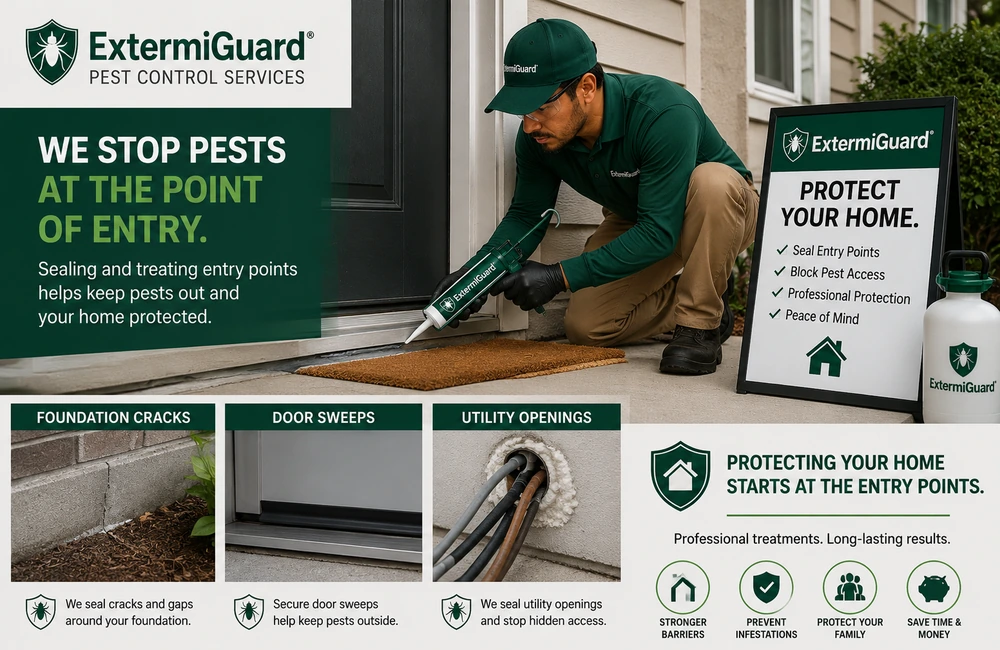
Ants can move from a few small trails into a recurring problem around kitchens, bathrooms, patios, foundations, wall voids, damp wood, food areas, and commercial spaces. ExtermiGuard helps you start an ant control search using the service ZIP code where the activity is happening.
- 1Trails around countertops, sinks, tubs, windows, doors, patios, or exterior foundations.
- 2Recurring ants after cleaning, spraying, or removing visible activity.
- 3Activity near moisture, food, garbage, pet bowls, mulch, cracks, or damaged wood.
Ant Control Should Focus on the Trail, Source, and Conditions
Ants are not always solved by wiping a counter or spraying the ants you see. The source may be outside, under slabs, inside wall voids, near a damp area, around food sources, or connected to landscaping and structural gaps. A stronger ant control near me search starts with where the ants are active and why they keep returning.
Trail Tracking
Ant trails can help identify where ants are entering, feeding, nesting, or moving between exterior and interior areas.
- Countertop and cabinet trails
- Door and window activity
Moisture Clues
Sinks, tubs, dishwashers, leaks, damp trim, crawl spaces, basements, and exterior moisture can support ant activity.
- Kitchen and bathroom checks
- Moisture source review
Entry Points
Ants can enter through cracks, gaps, utility lines, siding, weep holes, doors, windows, foundations, and exterior wall openings.
- Foundation and siding gaps
- Exterior trail review
Service Scope
Ant treatment near me can vary by species, nesting area, property type, activity level, weather, moisture, and provider recommendations.
- Interior and exterior options
- Follow-up may be needed
Different Ant Problems Need Different Service Questions
Not every ant problem is the same. Some ants are mostly nuisance trails. Others can point to moisture, damaged wood, outdoor nesting, food sources, or repeated entry from the exterior. The provider should confirm the type of ant activity before recommending service.
Carpenter Ants
Carpenter ants may be connected to damp wood, damaged trim, wall voids, roof leaks, tree contact, and sawdust-like frass.
Pavement Ants
Pavement ants may trail from cracks, slabs, patios, driveways, sidewalks, foundations, kitchens, and food areas.
Odorous House Ants
Odorous ants can form persistent trails and may be seen around sweets, moisture, sinks, cabinets, wall voids, and exterior nesting areas.
Fire Ants
Fire ants may create outdoor mounds and can be a concern around lawns, playgrounds, patios, sidewalks, commercial grounds, and high-traffic exterior areas.
Pharaoh Ants
Pharaoh ants may require careful handling because certain improper treatments can make activity spread into multiple areas.
Commercial Ant Activity
Restaurants, break rooms, kitchens, warehouses, employee areas, food storage, and trash zones may need sanitation and service documentation questions.
Ant Inspection Should Look Past the Ants You See
Visible ants are often only part of the problem. A provider may need to look for exterior trails, entry points, moisture, food sources, wall void movement, nest locations, slab cracks, landscaping pressure, and nearby conditions that allow ants to return.
When searching for ant control near me, use the ZIP code where the property is located and be ready to explain where the ants were seen, when activity is strongest, whether the problem is recurring, and whether ants are near food, moisture, wood, or exterior gaps.
Start with the exact activity areas.
Note kitchens, bathrooms, windows, doors, cabinets, pantries, patios, foundations, basements, decks, or commercial food areas.
Look for conditions helping the ants.
Food crumbs, grease, pet bowls, trash, standing water, leaks, mulch, vegetation contact, damp wood, and exterior cracks can all matter.
Ask about treatment and follow-up.
Ant service may involve interior work, exterior treatment, baiting, crack-and-crevice service, prevention steps, or follow-up depending on the provider.
What Ant Treatment May Include
Ant treatment near me can vary by provider, species, property size, activity level, nesting area, moisture, weather, safety requirements, and whether the issue is residential, commercial, interior, exterior, or both. Always confirm service details directly with the provider performing the work.
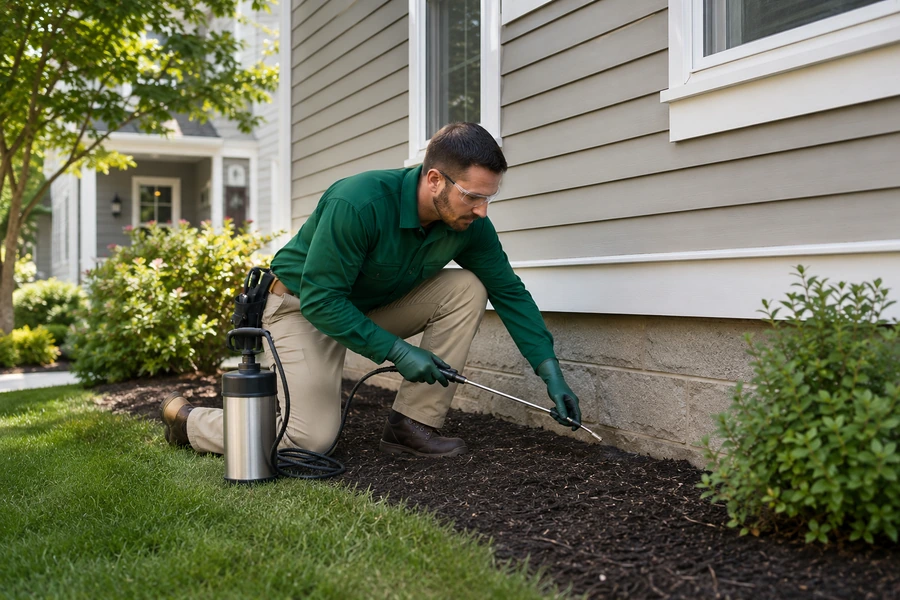 Residential
Interior and Exterior Review
A provider may inspect kitchens, bathrooms, pantries, windows, doors, patios, foundations, garages, basements, crawl spaces, and exterior trails.
 Commercial
 Ant Service
Businesses may need questions around kitchens, break rooms, trash areas, receiving doors, drains, food storage, reporting, service frequency, and sanitation correction.
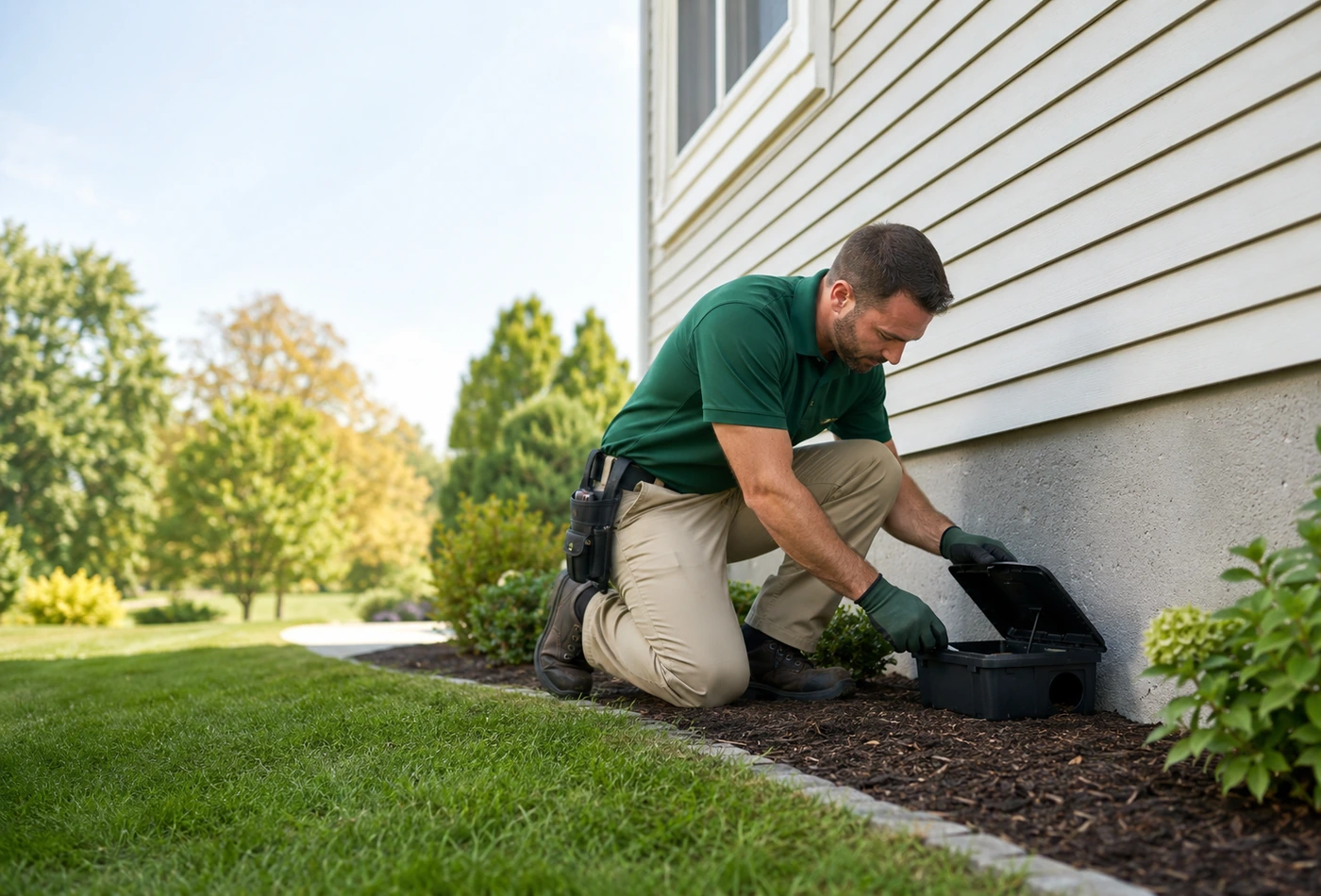 Targeted
 Service Plan
Depending on findings, service may focus on trails, nests, cracks, voids, bait placements, exterior access points, or areas where ants are actively moving.
Questions to Ask an Ant Exterminator Near You
Before approving ant service, ask the provider what is included, how they inspect for source areas, whether follow-up is recommended, and what property conditions could cause ants to return.
What Type of Ant Is It?
Ask whether the provider will identify or narrow the ant type because treatment questions can change by species and nesting behavior.
What Areas Are Included?
Confirm whether treatment includes interior areas, exterior perimeter, cracks, trails, kitchens, bathrooms, patios, foundations, or wall voids.
What Conditions Matter?
Ask if moisture, food sources, trash, vegetation, mulch, cracks, pet bowls, or damaged wood could be supporting the ant problem.
What Follow-Up Is Needed?
Ask about retreatment terms, warranty language, preparation, timing, safety instructions, and what to do if ants are still seen.
Ant Control Near Me FAQ
These answers help homeowners, renters, property managers, and business owners understand ant warning signs, inspection needs, treatment expectations, and what to ask before scheduling service.
How do I know if I need ant control near me?
You may need ant control if ants keep returning, trails appear near food or moisture, ants are entering through doors or windows, activity is happening in several rooms, or exterior nests and trails are visible around the property.
Why do ants keep coming back after I clean?
Ants may keep returning if the nest, trail, moisture source, food source, exterior entry point, or nearby outdoor activity has not been addressed. Cleaning can remove visible ants but may not solve the source.
What should I tell an ant exterminator before service?
Tell the provider where ants were seen, when activity is strongest, whether the problem is recurring, whether ants are near food or moisture, and whether activity is inside, outside, or both.
Are carpenter ants different from regular ants?
Yes. Carpenter ants can be connected to damp or damaged wood and may require a different inspection focus than common nuisance ants. If you see large ants, frass, or wood-related clues, mention that to the provider.
Can ant control be used for both homes and businesses?
Yes. Ant control can apply to homes, apartments, condos, rentals, restaurants, offices, warehouses, break rooms, kitchens, food storage areas, and other commercial spaces. Service details vary by provider and property type.
Is ant control pricing guaranteed online?
No. Pricing can vary by property size, ant type, activity level, treatment areas, nest location, inspection findings, follow-up needs, provider coverage, and local market conditions. Confirm pricing directly with the provider.
Start Your Ant Control Search
Enter the service ZIP code to begin your ant control near me search and move toward a provider path for inspection, treatment, prevention, and follow-up details.