
Find Texas Pest Control by ZIP Code
Texas pest control searches can look different from Dallas apartments to Houston restaurants, Austin homes, San Antonio rentals, Fort Worth warehouses, El Paso properties, Corpus Christi coastal buildings, Rio Grande Valley businesses, Panhandle homes, suburban neighborhoods, rural properties, schools, hotels, offices, healthcare buildings, and commercial facilities. ExtermiGuard helps you start with the service ZIP code so the search fits the property, pest issue, and local service path.
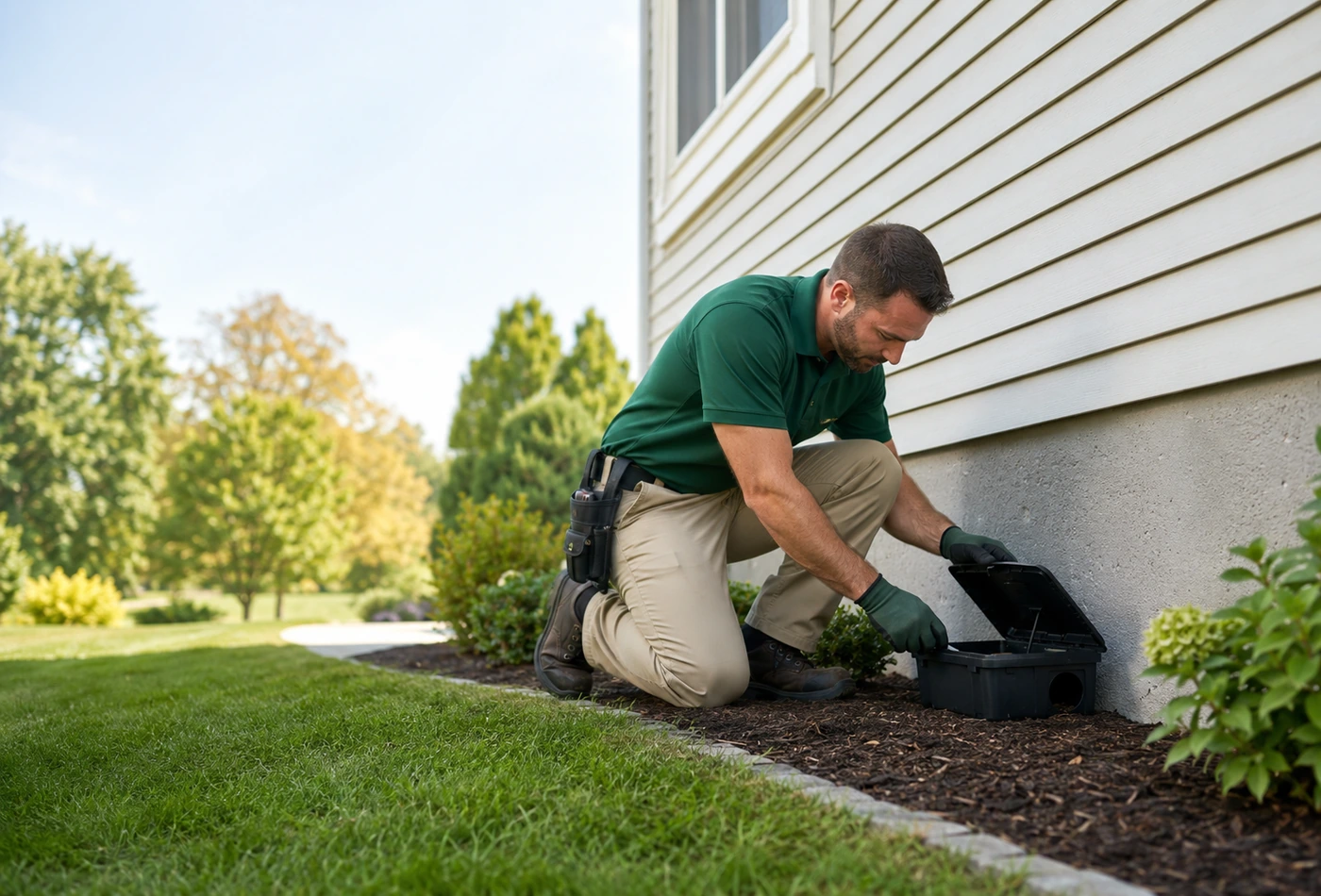
- 1Heat, humidity, irrigation, slab foundations, garages, patios, landscaping, food areas, and exterior gaps can increase ants, roaches, termites, spiders, mosquitoes, wasps, and rodents.
- 2Apartments, restaurants, hotels, trash rooms, loading areas, warehouses, storage, and shared walls can affect roach, rodent, fly, pantry pest, and bed bug concerns.
- 3Coastal areas, suburban yards, wooded edges, creek areas, standing water, sheds, decks, eaves, mulch, and outdoor dining can affect mosquitoes, fire ants, fleas, ticks, wasps, and seasonal pests.
Texas Pest Control Depends on Region, Season, Structure, and Pest Evidence
Searching for pest control Texas is different when the property is a Dallas apartment, Houston restaurant, Austin home, San Antonio rental, Fort Worth warehouse, El Paso property, Corpus Christi coastal building, Rio Grande Valley business, rural property, or commercial facility with food areas, trash rooms, slabs, attics, garages, storage, moisture, or shared walls.
Cockroach Control
Texas roach service can vary for apartments, restaurants, commercial kitchens, drains, dumpsters, break rooms, shared walls, storage rooms, warm utility areas, and food facilities.
- Sanitation and source review
- Follow-up may be needed
Ant and Termite Concerns
Texas properties can face fire ants, sugar ants, carpenter ants, pavement ants, termite concerns, and activity near slabs, kitchens, patios, mulch, damp wood, and foundation edges.
- Slab and foundation clues
- Interior and exterior trails
Rodent Control
Mice and rats can connect to garages, attics, rooflines, utility gaps, dumpsters, food areas, storage rooms, loading docks, and neighboring property pressure.
- Entry-point awareness
- Interior and exterior clues
Mosquito, Wasp, Flea, Tick, and Spider Issues
Standing water, irrigation, shaded yards, pools, patios, outdoor dining, creek areas, coastal moisture, landscaping, sheds, eaves, and decks can affect seasonal pest activity.
- Yard and moisture conditions
- Exterior activity review
Texas Pest Problems Can Change by Region and Property Setting
The best Texas exterminator search should account for pest evidence, region, property type, heat, humidity, slab construction, shared walls, attics, garages, landscaping, irrigation, restaurant sanitation, trash rooms, coastal moisture, warehouse access, rural conditions, and the ZIP code where service is needed.
North Texas and DFW
Dallas, Fort Worth, Arlington, Plano, Irving, Garland, Frisco, McKinney, and nearby communities can see pest pressure tied to apartments, restaurants, warehouses, slab homes, suburban yards, creeks, and commercial corridors.
Houston and the Gulf Coast
Houston, Pasadena, Pearland, Sugar Land, The Woodlands, Galveston, Baytown, and coastal areas can involve humidity, rain, standing water, restaurants, apartments, warehouses, ports, and heavy mosquito pressure.
Central Texas and Austin Area
Austin, Round Rock, Georgetown, Cedar Park, San Marcos, and nearby communities can involve apartments, restaurants, tech offices, rentals, patios, wooded edges, irrigation, ants, rodents, mosquitoes, spiders, and wasps.
San Antonio and South-Central Texas
San Antonio, New Braunfels, Schertz, Converse, Boerne, and surrounding areas may need pest questions for slab homes, rentals, restaurants, tourist properties, warehouses, yards, and warm-weather pest activity.
South Texas and Rio Grande Valley
McAllen, Brownsville, Harlingen, Laredo, Edinburg, Mission, and South Texas communities can involve heat, humidity, agriculture, restaurants, warehouses, yards, standing water, roaches, ants, rodents, flies, and mosquitoes.
West Texas, Panhandle, and Coastal Bend
El Paso, Lubbock, Amarillo, Midland, Odessa, Corpus Christi, and surrounding areas may need different pest questions based on dry conditions, wind, storage, oilfield support sites, coastal moisture, rodents, ants, spiders, wasps, and occasional invaders.
Texas Pest Control Across Major Cities and Communities
ExtermiGuard helps visitors begin a Texas pest control search using the service ZIP code. Provider availability, pricing, scheduling, treatment options, warranties, and service terms may vary by location and provider.
How to Start a Texas Exterminator Search
When you search for a Texas exterminator, the most useful first details are the service ZIP code, the pest you are seeing, where activity is happening, the property type, and whether the issue is urgent, recurring, seasonal, food-related, moisture-related, storage-related, or connected to shared building areas.
A roach issue in a restaurant, termites near a slab or foundation edge, fire ants in a yard, mosquitoes around standing water, rodents in a warehouse, bed bugs in an apartment, or wasps around a roofline can all require different questions before service is scheduled.
Use the service ZIP code.
Enter the ZIP code for the Texas property needing pest control, not a billing address or unrelated office location.
Identify the pest or evidence.
Photos, droppings, bites, trails, wings, stains, mud tubes, odors, nests, noises, live sightings, or damage can help shape the service conversation.
Confirm service details directly.
Pricing, scheduling, inspection scope, treatment options, warranties, safety instructions, access requirements, and follow-up terms should be confirmed with the provider.
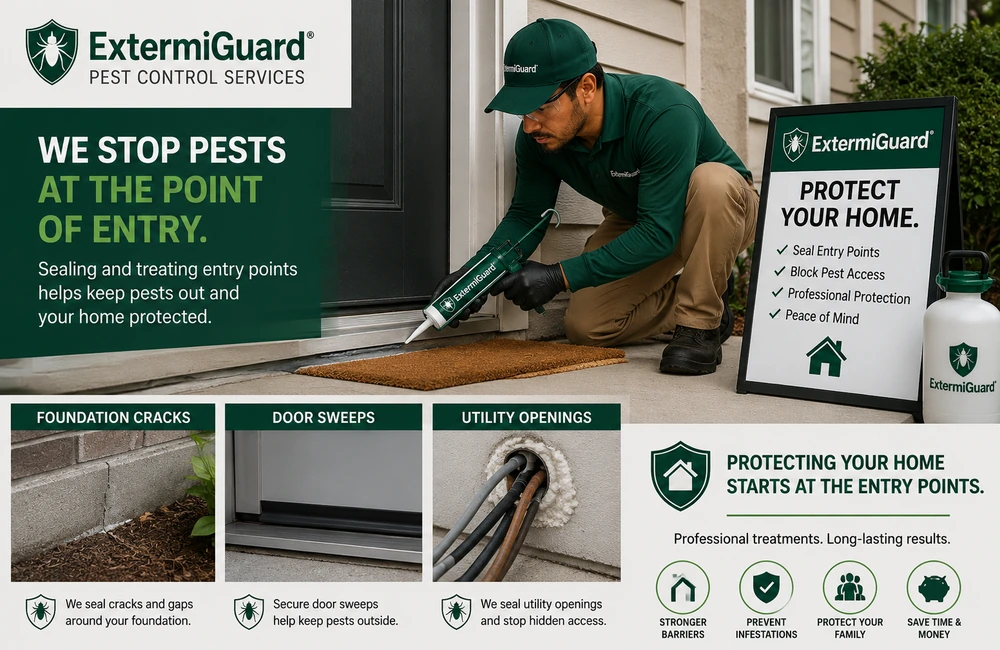
Texas Pest Control for Homes, Businesses, and Facilities
Texas pest control needs can be different for a single-family home, apartment building, condo, restaurant, commercial kitchen, warehouse, school, hotel, healthcare facility, office, rental property, food facility, coastal property, rural property, or mixed-use building.
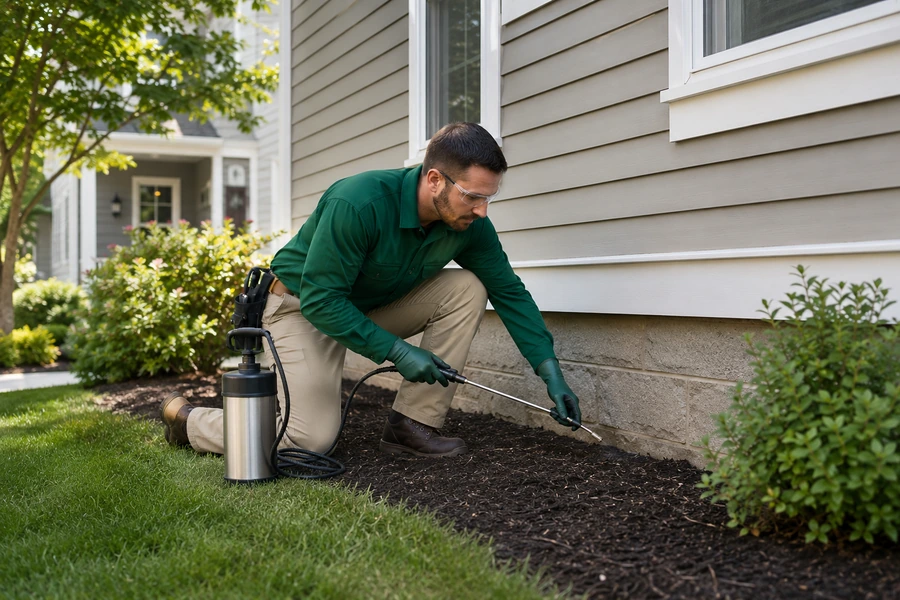 Residential
Homes, Apartments, Condos, and Rentals
Residential service conversations may include kitchens, bathrooms, bedrooms, attics, garages, patios, landscaping, tenants, pets, children, moisture, slab edges, and preparation instructions.
 Commercial
Restaurants, Offices, Warehouses, Hotels, and Facilities
Commercial pest control questions may include reporting, service frequency, food areas, back doors, dumpsters, drains, loading docks, receiving areas, employee spaces, storage, and documentation.
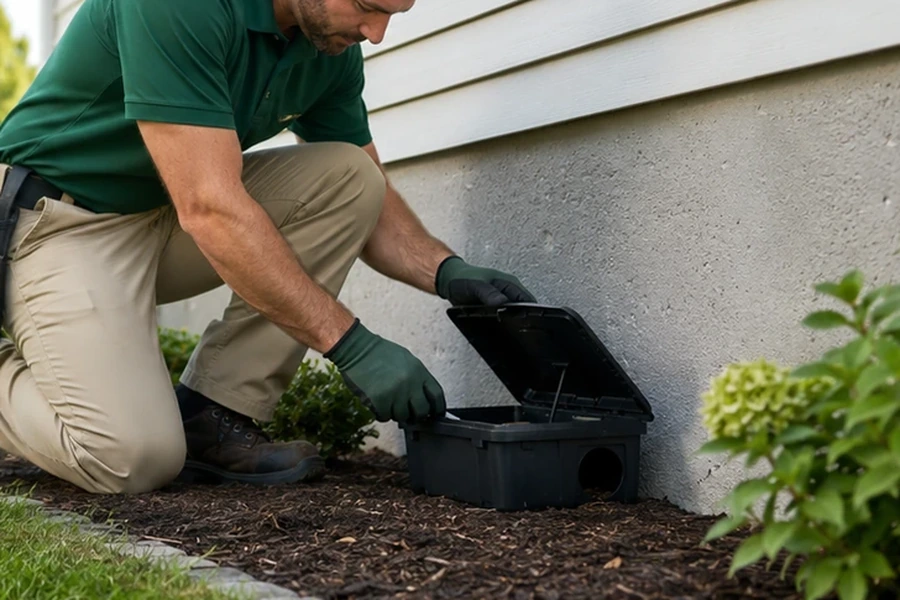 Targeted
Pest-Specific Service Paths
Termites, fire ants, roaches, rodents, bed bugs, mosquitoes, wasps, spiders, fleas, ticks, flies, pantry pests, and occasional invaders each require different inspection and service questions.
Questions to Ask Before Choosing Texas Pest Control
Before approving service, ask the provider about inspection, pricing, service scope, preparation, follow-up, warranty terms, safety instructions, access requirements, and whether the service is designed for the pest, property type, season, region, and local conditions.
What Will Be Inspected?
Ask whether the provider will check interior areas, exterior areas, entry points, slab edges, rooflines, attics, drains, food areas, storage, nests, trails, or pest evidence.
What Is Included?
Confirm treatment areas, exclusions, preparation, reporting, retreatment terms, warranty language, and whether follow-up is recommended.
Does the Property Need Coordination?
Ask about tenant access, common areas, adjacent units, restaurants, locked rooms, property management, commercial schedules, and multi-unit building needs.
What Are the Written Terms?
Always confirm pricing, scheduling, safety instructions, warranty, cancellation rules, preparation, and follow-up terms directly with the provider.
Texas Pest Control FAQ
These answers help Texas homeowners, renters, property managers, restaurant operators, facility managers, hotel teams, warehouse managers, food facility teams, and business owners understand how to start a pest control search and what details to confirm before scheduling service.
How do I find Texas pest control near me?
Start with the service ZIP code for the Texas property that needs pest control. Then narrow the search by pest type, property type, urgency, season, building access, and the location where activity is happening.
Does ExtermiGuard cover Texas pest control by ZIP code?
ExtermiGuard provides a Texas pest control search path by service ZIP code. Actual provider availability, scheduling, pricing, travel, and service terms may vary by ZIP code and provider.
What pests are common in Texas homes and businesses?
Texas properties may deal with termites, fire ants, cockroaches, mice, rats, bed bugs, mosquitoes, wasps, spiders, fleas, ticks, flies, pantry pests, stored-product pests, crickets, beetles, and occasional invaders depending on season, region, and property conditions.
Is pest control pricing the same across Texas?
No. Pricing can vary by property size, pest type, activity level, inspection findings, treatment areas, service frequency, follow-up needs, building access, provider coverage, travel distance, and local market conditions.
Can I use ExtermiGuard for both residential and commercial pest control in Texas?
Yes. ExtermiGuard includes search paths for residential pest control and commercial pest control. Homes, apartments, condos, restaurants, offices, hotels, warehouses, schools, healthcare buildings, food facilities, and commercial properties can have different service needs.
What should I tell a Texas exterminator before service?
Tell the provider the service ZIP code, pest seen, where activity is happening, how long it has been active, whether there are photos or evidence, property type, tenants, pets, food areas, trash areas, storage areas, moisture issues, slab or foundation concerns, shared walls, and any urgent concerns.
Start Your Texas Pest Control Search
Enter the service ZIP code to begin a Texas pest control search and move toward the right residential, commercial, pest-specific, or local service path.