

Commercial Pest Control Near Me for Businesses and Facilities
Enter the ZIP code for the restaurant, warehouse, office, apartment community, hotel, healthcare location, retail property, school, storage site, or managed facility that needs pest control.

Enter the ZIP code for the restaurant, office, warehouse, property, or facility—not an unrelated billing or corporate address.
What a Commercial Pest Management Program May Need to Address
A business program should match the facility, pest evidence, operating conditions, public exposure, documentation needs, and written responsibilities—not apply the same scope to every property.
Inspection and Identification
Ask which interior and exterior areas are inspected, how pest evidence is identified, and how findings are recorded.
Prevention and Corrective Actions
Service may include recommendations involving food, water, waste, clutter, repairs, doors, drains, landscaping, and storage.
Service Records and Communication
Define the reports, device records, photos, trend notes, recommendations, and manager updates the account requires.
Follow-Up and Account Expectations
Ask how callbacks, recurring inspections, missed access, urgent concerns, warranties, and open corrective actions are handled.
Compare More Than the Monthly Price
Commercial proposals can appear similar while covering different inspections, pests, devices, service frequency, reporting, corrective actions, emergency availability, exclusions, and cancellation terms.
A provider should explain who performs the work, which credentials apply, what areas are covered, how evidence is documented, and what the business must correct between visits.
- Verify current pesticide credentials and relevant commercial experience.
- Request proof of insurance when appropriate for the property and account.
- Review covered pests, buildings, locations, devices, reports, and visit frequency.
- Confirm preparation, safety, access, after-hours, and urgent-response expectations.
- Understand renewal, price changes, cancellation, warranty, and callback limitations.
Commercial Pest Control Search Paths by Business Type
Different businesses have different pest pressure, access needs, operating hours, documentation expectations, and sensitive areas.
Food ServiceRestaurants, Cafes, Bars, and Food Sites
Kitchens, drains, dish areas, dry storage, bars, deliveries, grease, dining rooms, dumpsters, and service documentation may all matter.
Restaurant Pest Control Near MeDistributionWarehouses, Distribution, and Storage
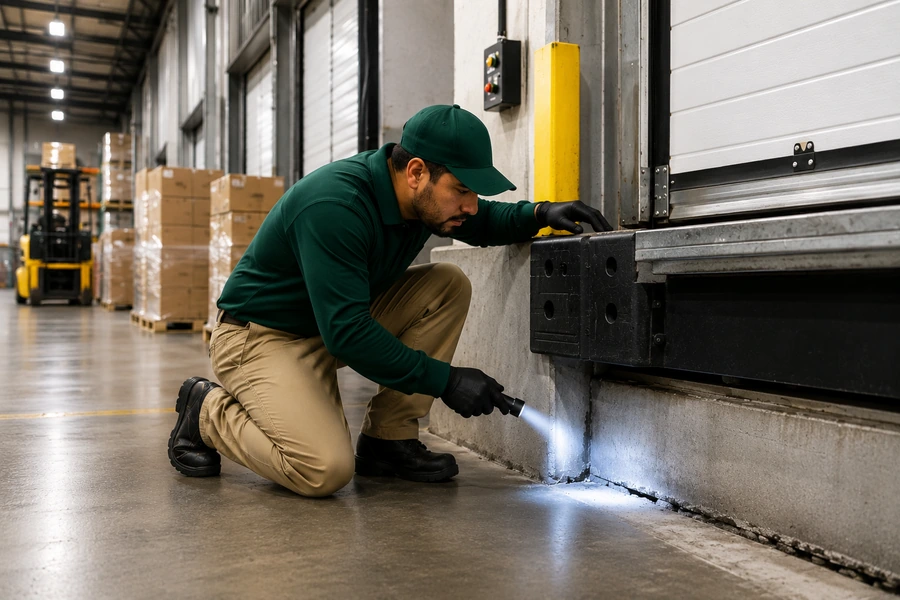
Loading docks, roll-up doors, pallets, racking, receiving, stored goods, employee areas, exterior pressure, and device locations can shape the program.
Warehouse Pest Control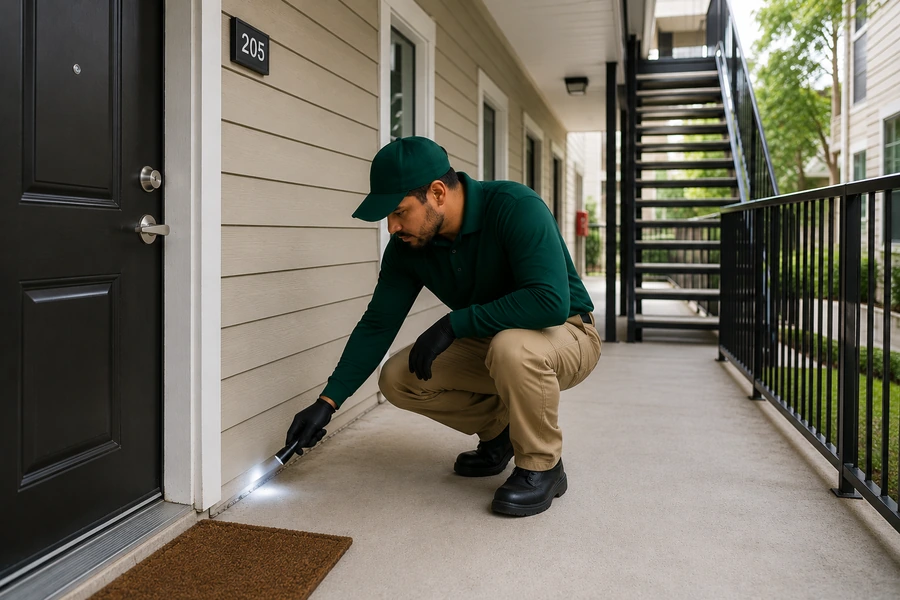 Multifamily
Apartments and Managed Housing
Unit access, tenant notices, shared walls, laundry rooms, basements, trash rooms, neighboring activity, documentation, and follow-up may require coordination.
Apartment Pest Control Workplaces
Offices, Retail, and Professional Properties
Break rooms, desks, restrooms, stock rooms, customer areas, shared kitchens, deliveries, storage, and exterior entrances may be priorities.
 Sensitive Sites
Healthcare and Sensitive Facilities
Patient or resident areas, waiting rooms, food spaces, offices, mechanical areas, controlled access, scheduling, communication, and documentation may be required.
 Hospitality
Hotels, Motels, and Hospitality
Guest rooms, luggage areas, kitchens, laundry, employee spaces, trash, deliveries, exterior entry points, room documentation, and discreet scheduling may matter.
Where Is Pest Activity Affecting the Business?
The exact area can help determine urgency, inspection scope, preparation, access, corrective actions, and documentation needs.
Kitchens, Bars, and Food Preparation
Food areas can involve cockroaches, flies, ants, rodents, drain activity, grease, moisture, trash flow, deliveries, and sanitation concerns.
Loading Docks and Receiving Doors
Docks, roll-up doors, delivery areas, pallets, exterior walls, overhead doors, and shipping zones can create pest entry and movement routes.
Trash Rooms and Exterior Waste
Dumpsters, compactors, grease bins, recycling, spilled product, and exterior debris can support flies, rodents, ants, and wildlife pressure.
Break Rooms and Staff Areas
Employee kitchens, lockers, vending areas, personal food storage, desks, and break rooms can create unnoticed pest pressure.
Guest Rooms, Units, and Tenant Spaces
Hotels, apartments, and managed properties may require access planning, tenant communication, unit-by-unit notes, and follow-up expectations.
Exterior Perimeters and Landscaping
Foundation edges, vegetation, mulch, standing water, lighting, signage, utility penetrations, and entry doors can affect exterior pressure.
Search by the Evidence Affecting the Business
Correct identification matters. Choose the closest concern, then explain the exact location, timing, evidence, business impact, and conditions supporting activity.
Elements to Discuss in a Commercial Pest Management Plan
Not every account needs every element. The written program should explain what applies, what is excluded, who is responsible, and how results will be reviewed.
Initial Inspection and Site History
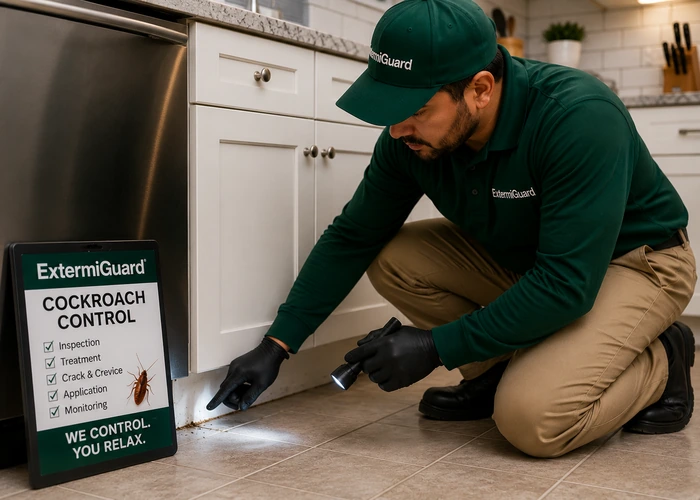
Review evidence, complaints, past service, layout, sensitive areas, operating hours, access limitations, and supporting conditions.
Monitoring and Device Plan
Define where monitoring or control devices are placed, how they are identified, who may access them, and how findings are recorded.
Treatment and Safety Instructions
Explain treatment areas, preparation, food or inventory precautions, occupants, re-entry, restricted spaces, and written instructions.
Exclusion and Corrective Actions
Assign responsibility for repairs, door sweeps, utility gaps, sanitation, moisture, waste, landscaping, stock practices, and communication.
Service Reports and Trend Review
Define required findings, activity records, photos, products, application areas, recommendations, signatures, escalation notes, and trend discussions.
Follow-Up and Account Review
Clarify visit frequency, callbacks, urgent requests, missed access, open recommendations, seasonal changes, covered pests, and renewal terms.
Prepare the Details a Commercial Provider May Need
Identify the location and decision-makers.
Provide the property ZIP code, address, site contact, billing contact, manager, and people authorized to approve work or grant access.
Describe the evidence and affected areas.
Include dates, frequency, rooms, exterior areas, droppings, insects, damage, odors, nests, complaints, photos when safe, and business impact.
Explain operating hours and access restrictions.
Discuss kitchens, patient or resident spaces, guest rooms, tenant units, docks, locked rooms, production, security, and advance notice.
Gather previous records and agreements.
Have service reports, device maps, pesticide records, complaints, inspection findings, corrective actions, contracts, warranties, and open recommendations available.
Define reporting and communication needs.
Explain whether managers need photos, trends, corrective-action lists, electronic reports, multiple recipients, or scheduled account reviews.
What ExtermiGuard Helps Businesses Do
ExtermiGuard organizes commercial pest-control searches and business comparison information.
- Start with the ZIP code where the business or facility needs service.
- Browse industry, pest, inspection, quote, and service-area pages.
- Prepare questions about scope, credentials, documentation, safety, and follow-up.
- Continue to participating-provider contact information when available for the ZIP entered.
What Independent Providers Control
The provider remains responsible for every part of the pest-control service, compliance representations, and customer agreement.
- Licensing, insurance, identification, inspections, recommendations, products, technicians, and results.
- Prices, schedules, reports, invoices, refunds, warranties, contracts, recurring terms, and customer support.
- Facility access, repairs, sanitation, preparation, employee or tenant coordination, and account documentation.
- All safety instructions, treatment decisions, follow-up recommendations, and service outcomes.
Pest Control Does Not Replace Facility Management
Professional service may be one part of a broader program. Cleaning, repairs, waste handling, stock practices, maintenance, access, employee reporting, tenant communication, and applicable regulatory responsibilities remain important.
Food and Sensitive Environments
Follow the provider’s written instructions and all requirements that apply to food, patients, residents, children, inventory, or restricted areas.
Repairs and Sanitation
Unsealed openings, moisture, waste, spills, damaged doors, clutter, exterior conditions, and missed access can allow pressure to continue.
Records and Follow-Through
Keep reports, agreements, labels, invoices, corrective actions, warranties, preparation sheets, credentials, and account communications.
Access and Communication
Define contacts, locked areas, tenant or employee notices, missed service, after-hours requirements, and escalation procedures.
Business Pest-Control Questions
General search and comparison guidance for owners, operators, property managers, facility teams, and decision-makers.
View More Pest Control FAQWhat is commercial pest control?
Commercial pest control addresses pest activity and prevention around businesses, restaurants, offices, warehouses, retail properties, apartment communities, hotels, healthcare settings, schools, food sites, storage properties, and managed buildings. The exact scope depends on the property, evidence, provider, written agreement, and applicable requirements.
How do I search for commercial pest control near me?
Start with the ZIP code for the property needing service. Then identify the business type, pest evidence, affected areas, urgency, operating hours, access limitations, reporting requirements, and whether customers, tenants, patients, food, inventory, or operations are affected.
How much does commercial pest control cost?
Cost can vary by facility size, pest, severity, access, service frequency, inspection scope, devices, reporting, urgent availability, exclusion work, follow-up, industry, region, and contract length. Request a written proposal showing all charges, covered pests, exclusions, and terms.
What should a commercial proposal include?
A useful proposal may identify covered buildings and areas, pests, inspection scope, service frequency, device plan, preparation, reporting, corrective actions, callback terms, warranty, customer responsibilities, pricing, renewal, cancellation, and exclusions.
How often should a commercial property receive service?
There is no single frequency that fits every property. The schedule may depend on pest pressure, facility type, history, food exposure, sanitation, exterior conditions, season, monitoring findings, contract requirements, and risk tolerance.
What records should a commercial pest-control company provide?
Depending on the account, records may include service dates, technician identification, findings, pest activity, device checks, products, application areas, recommendations, corrective actions, photos, trend notes, customer acknowledgments, and follow-up.
Does a commercial contract guarantee regulatory compliance?
No general pest-control agreement automatically guarantees an inspection, audit, licensing, food-safety, housing, healthcare, school, or other regulatory outcome. Businesses remain responsible for applicable obligations, records, and corrective actions.
Does ExtermiGuard perform or guarantee commercial pest control?
No. ExtermiGuard is a search and connection platform. Participation or ZIP placement may be paid and is not an endorsement or guarantee. Independent providers control credentials, insurance, inspections, prices, schedules, products, treatments, agreements, reports, warranties, billing, and customer support.
Independent Pest-Management Information
These official resources support informed decisions about selecting a provider, pest identification, prevention, and Integrated Pest Management.
EPA: Selecting a Pest Control Service
Consumer guidance about quality, value, competency, credentials, estimates, and written service information.
Visit EPA Resource →EPA: Integrated Pest Management Principles
Learn about identification, monitoring, prevention, action thresholds, and selecting appropriate control methods.
Visit EPA IPM Resource →NPIC: Selecting a Pest Control Company
Questions covering qualifications, experience, reputation, cost, inspections, and service expectations.
Visit NPIC Resource →Search Commercial Pest Control by ZIP Code
Use the ZIP code for the business or facility that needs pest control, then continue by industry, pest concern, inspection need, quote request, or participating-provider availability.