

Termite Damage Repair by ZIP Code
Need termite damage repair help? ExtermiGuard helps you search by ZIP code for termite inspection, termite treatment, wood damage concerns, crawl space issues, foundation warning signs, and local pest control availability before repair work begins.
Use the ZIP code where the termite damage is located. Repair needs may involve termite inspection, active termite treatment, structural review, contractor repair, or a combination depending on the property.
Termite damage repair starts with knowing what caused the damage
Termite damage repair is not only about replacing wood. The first concern is whether termites are still active, how far the damage goes, and whether the structure needs pest control, moisture correction, or contractor repair.
Damaged wood
Termites can damage trim, sills, studs, joists, subflooring, window frames, porch areas, baseboards, and other wood materials.
Inspection first
Before repairs are made, the property should be checked for active termite activity, moisture, mud tubes, swarmers, and hidden conditions.
Repair planning
After activity is understood, repair may involve replacing damaged wood, correcting moisture problems, sealing gaps, or using a qualified contractor.
Search termite damage repair help near your property
When you search for termite damage repair, you may actually need more than one step. A pest control inspection can help determine whether the termite problem is active, while repair work may require a qualified carpenter, contractor, or structural professional.
ExtermiGuard helps you start by ZIP code so you can search for termite-related pest control availability in the area where the damage is located.
- Search termite damage repair help by ZIP code.
- Check for termite inspection and termite treatment availability near the property.
- Understand whether damage appears cosmetic, localized, moisture-related, or potentially structural.
- Use a local search path before covering up damaged wood.
Signs termite damage repair may be needed
Some termite damage is obvious, but many problems are hidden behind walls, under floors, inside trim, around crawl spaces, or near moisture-prone areas.
Mud tubes
Mud tubes on foundation walls, crawl spaces, basement areas, piers, slabs, or framing can point to termite movement.
Discarded wings
Wings near windows, doors, basements, bathrooms, or light sources may be a sign of termite swarm activity.
Hollow wood
Wood that sounds hollow, feels soft, breaks easily, or has layered galleries may need closer termite inspection.
Moisture problems
Leaks, crawl space humidity, wood-to-soil contact, poor drainage, and damp framing can make termite problems worse.
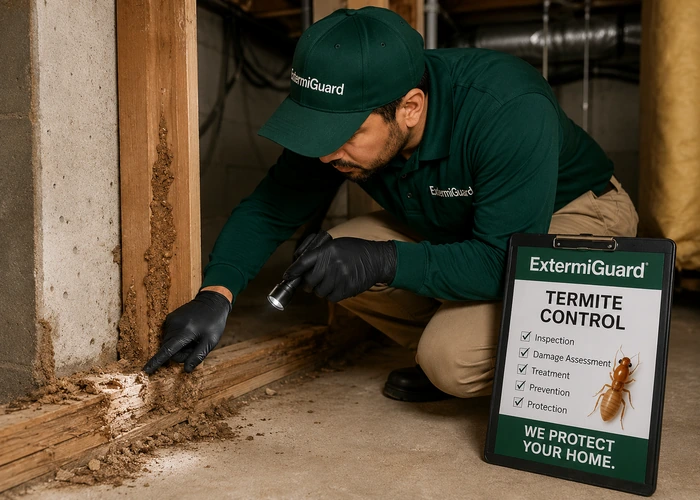
Fixing wood damage without termite inspection can create bigger problems
A damaged baseboard, sill, door frame, floor edge, or crawl space beam may look like a simple repair. But if termites are still active, replacing the visible wood may not solve the problem.
Termite damage repair should usually begin with understanding whether the infestation is active, whether treatment is needed, and whether the damaged area affects structure or only surface materials.
Structural safety note
If floors are sagging, beams are soft, stairs feel unstable, porch supports are damaged, or framing appears compromised, contact a qualified structural or building professional. ExtermiGuard is not a structural engineering or repair contractor.
- Do not remove all evidence before documenting the damage.
- Do not assume damage is old without inspection.
- Do not seal crawl space or foundation issues without correcting moisture.
- Do not rely on cosmetic repairs if termite activity may still be present.
Where termite damage often shows up
Termite damage repair needs can appear in many areas of a property, especially where wood, moisture, soil, foundation areas, and hidden voids meet.
Interior areas
Interior termite damage may appear around baseboards, door frames, window frames, flooring, trim, wall voids, closets, bathrooms, kitchens, and utility areas.
- Soft trim or blistered paint
- Sticking doors or damaged frames
- Swarmers near windows
Crawl spaces and basements
Crawl spaces and basements can hide damaged sill plates, joists, beams, subflooring, piers, and moisture-related termite conditions.
- Mud tubes on foundation walls
- Moisture or wood-to-soil contact
- Damaged framing or supports
Exterior areas
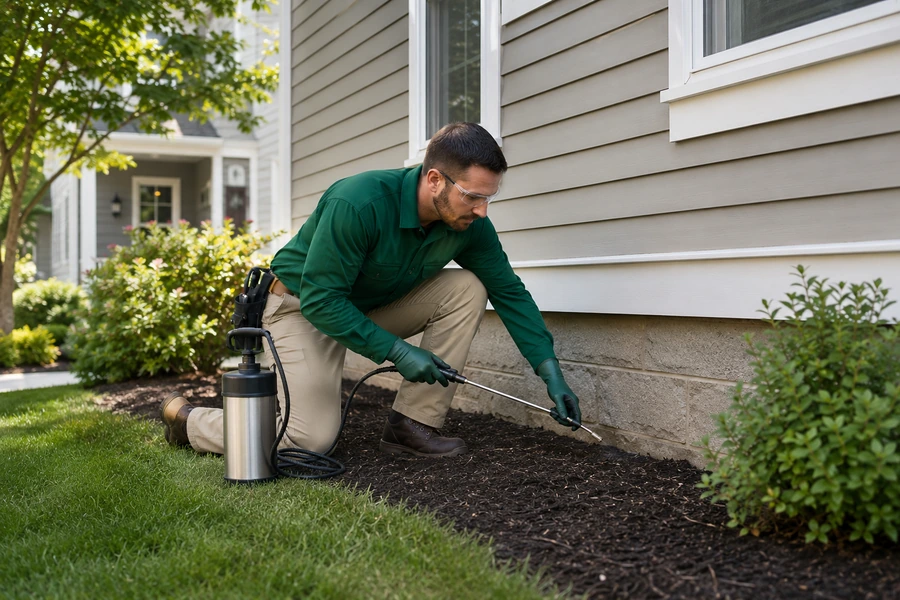
Exterior damage may show around porches, decks, steps, siding, garages, sheds, fence posts, trim, attached wood, and foundation edges.
- Damaged porch supports
- Wood touching soil
- Moisture near foundation edges
A simple ZIP-code search for termite damage repair help
ExtermiGuard keeps the search simple: start with the ZIP code where the termite damage is located, then follow the available local path.
Enter the ZIP code
Use the ZIP code for the home, rental, business, restaurant, warehouse, office, or property where termite damage is present.
Check availability
ExtermiGuard checks the service area path for termite-related pest control availability near that property.
Describe the damage
Be ready to explain where the damaged wood is, whether mud tubes or swarmers were seen, and whether the area is damp.
Plan next steps
Depending on the situation, next steps may include termite inspection, treatment, repair estimate, moisture correction, or contractor review.
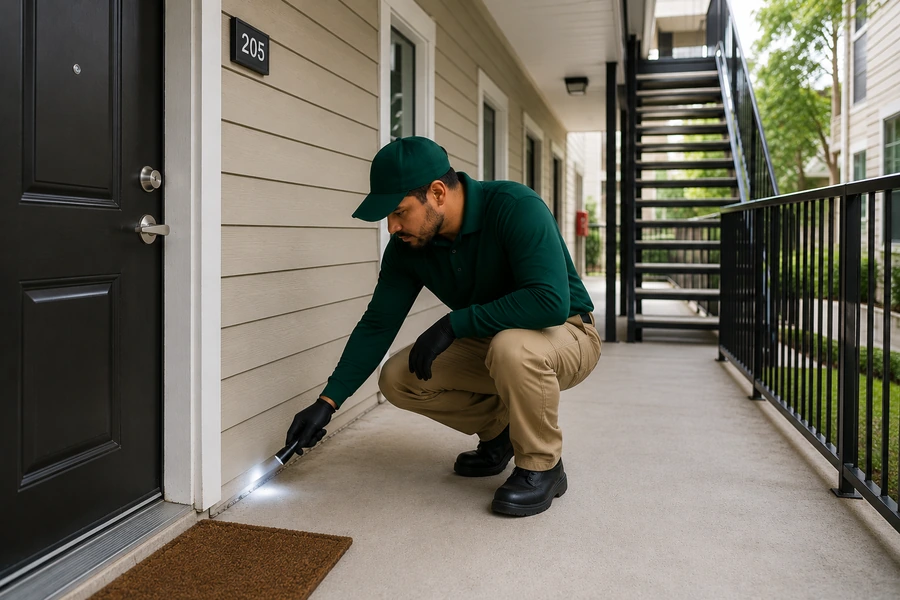
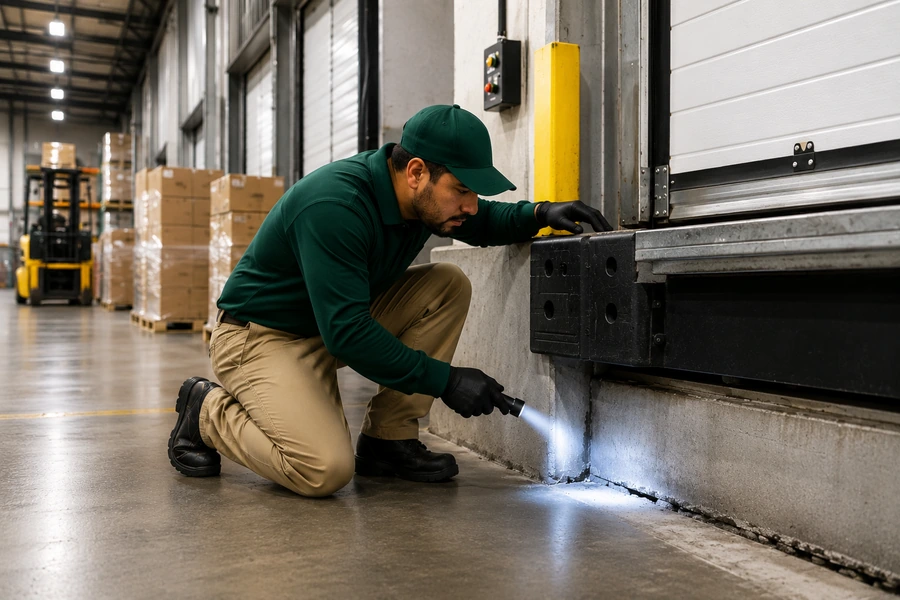
Termite damage repair searches for homes and businesses
Termite damage can affect houses, apartments, restaurants, offices, warehouses, rental properties, and commercial buildings.

What to know before repairing termite damage
The more details you have before calling, the easier it is to understand whether you need pest control, repair work, moisture correction, or a structural review.
Where is the damage?
Note whether the damage is in a crawl space, basement, porch, wall, door frame, window frame, floor, garage, deck, or foundation area.
Are termites active?
Mention mud tubes, swarmers, discarded wings, live insects, moisture issues, or previous termite treatment history.
Can you document it?
Photos of the damage, foundation, crawl space, mud tubes, and affected rooms can help explain the issue clearly.
Termite damage repair questions
These answers help consumers understand termite damage repair, inspection, treatment, and next steps before covering damaged areas.
How do I find termite damage repair near me?
Enter the ZIP code where the termite damage is located. ExtermiGuard helps consumers search by ZIP code for termite-related pest control availability and local next-step options.
Should I repair termite damage before treatment?
In many cases, termite activity should be inspected before repairs are completed. Repairing or covering damaged wood too early can hide evidence and may not solve the active termite problem.
Does termite damage always mean termites are still active?
No. Damage can be old, inactive, active, moisture-related, or connected to a past infestation. A termite inspection can help determine whether activity is currently present.
Who repairs termite damage?
Repair may require a qualified carpenter, contractor, or structural professional depending on the damage. Pest control providers may inspect and treat termite activity, but structural repair is a separate concern.
What are common termite damage repair areas?
Common areas include baseboards, trim, door frames, window frames, sill plates, joists, subflooring, crawl spaces, basements, porches, decks, garages, and foundation edges.
Can termite damage affect a home sale?
Yes. Termite damage, active termite evidence, prior treatment, and repair documentation can matter during real estate inspections. Buyers, sellers, agents, and lenders may request inspection or repair details.
Does ExtermiGuard perform termite damage repair?
ExtermiGuard helps consumers search by ZIP code for pest control availability. Service details, scheduling, pricing, treatment options, repair needs, and contractor requirements are handled by available local professionals.
Search termite damage help near you
Before covering damaged wood, search your ZIP code for termite-related pest control availability and learn what next steps may be needed for inspection, treatment, and repair planning.